
Inhyongguk, or "Korean puppetry," is a traditional form of puppet theater originating in Korea. This art form, which has ancient roots, skillfully combines puppetry with storytelling, music and dance.
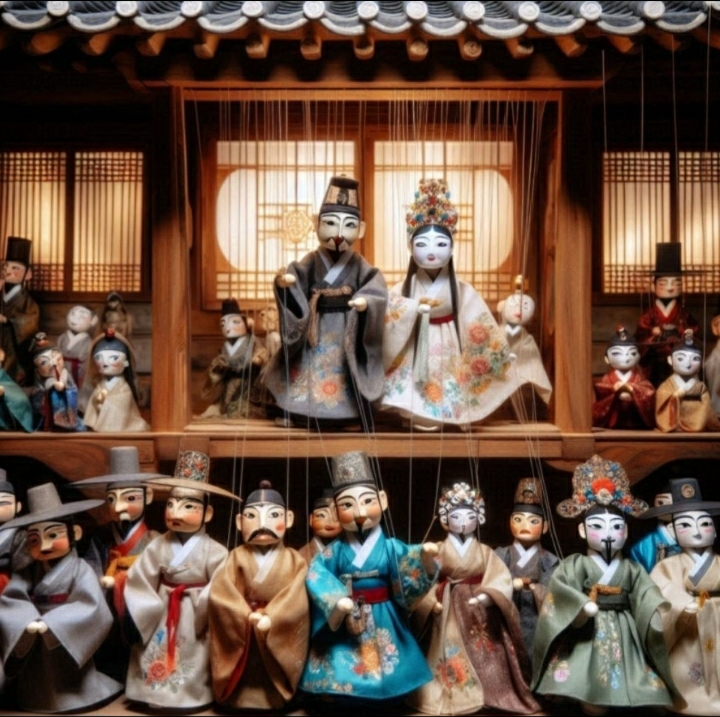
Korean puppets are generally made of materials such as wood, cloth, and paper, and are often elaborately decorated to represent various characters, from nobles and warriors to peasants and spirits. Puppeteers can manipulate puppets using strings, sticks or directly with their hands, giving life to stories ranging from traditional myths and legends to more contemporary tales. They not only served as entertainment, but were also tools for telling mythological stories, popular stories and for commenting on the society of the time. One of the distinctive aspects of Korean puppet theater is its ability to convey deep and complex emotions, despite the apparent simplicity of the puppets themselves. The shows often include elements of humor, tragedy and morality, making audiences reflect on universal themes such as love, justice and destiny.
Additionally, Korean puppet theater is often accompanied by traditional music performed on instruments such as the gayageum (a 12-stringed zither), the janggu (a double-headed drum), and the piri (a type of oboe). This creates an immersive, multi-sensory experience that fascinates and engages the audience.
Origins
The earliest forms of puppetry in Korea date back to the Three Kingdoms period (57 BC – 668 AD). Puppets were used in various religious rituals and ceremonies to communicate with spirits and to entertain deities. Over time, these practices have evolved, integrating elements of dance, music and theatre.
Talchum puppets
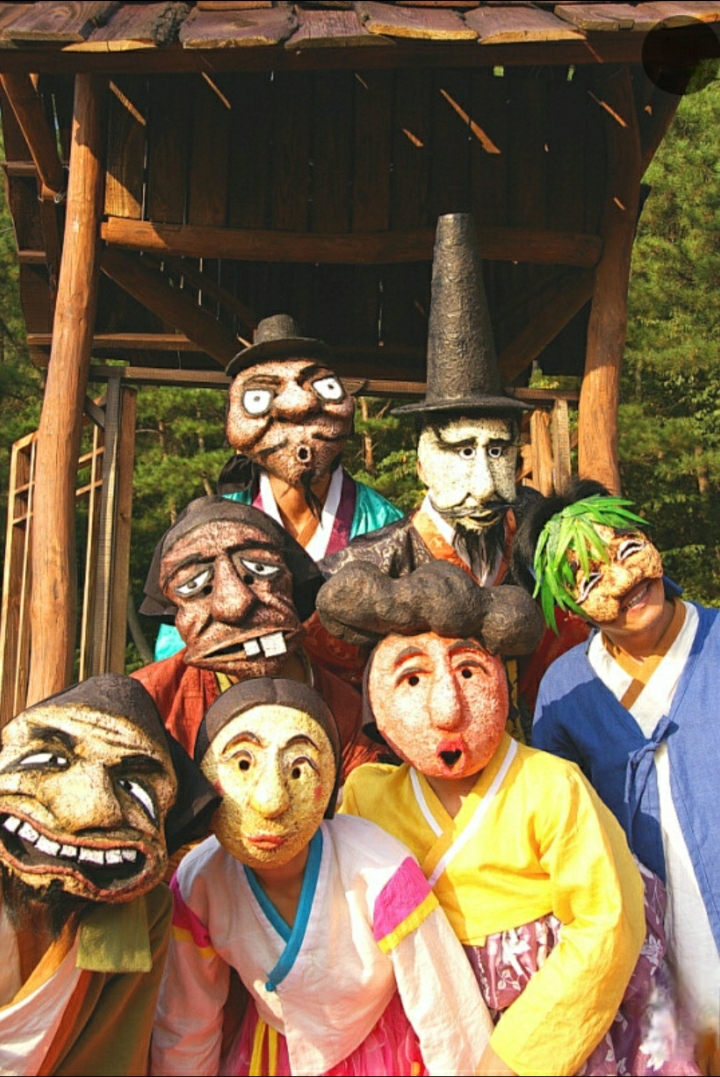
"Talchum" is a traditional form of Korean masked dance that often includes the use of puppets. Talchum shows are often characterized by social satire, featuring characters representing various archetypes of Korean society, such as the arrogant nobleman, the cunning monk, and the honest peasant.
Pansori and Marionettes
"Pansori" is a form of musical storytelling that uses a combination of singing, narration and percussion. Although pansori is primarily a human performance, some modern performances include puppets to enrich the visual narrative. This shows the adaptability of Korean puppets and their ability to integrate with other traditional art forms.
Cultural Influence and Modernization
With the advent of modernization and Japanese colonization, Korean puppets have experienced a decline. However, during the 20th century, there was a cultural renaissance that led to a rediscovery and valorization of traditional arts. Today, many theater groups in South Korea work to preserve and innovate the art of puppetry, integrating modern techniques and contemporary themes.
In conclusion, the history of Korean puppetry is a fascinating journey through time, which continues to evolve. Each mask represents a specific character and has a symbolic meaning. For example, masks of elders often symbolize wisdom, while masks of demons can represent bad omens or adverse forces. These performances were originally performed in villages during holidays and celebrations, but today they can also be seen in theaters and cultural festivals throughout South Korea.
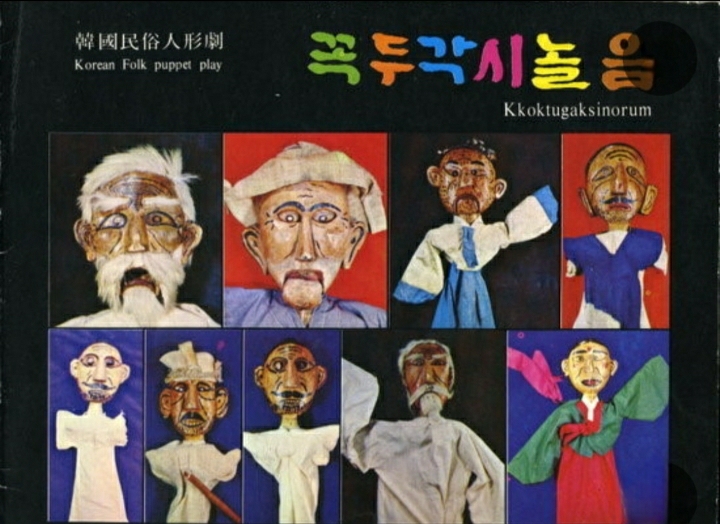
If you happen to visit South Korea, seeing a Korean puppet show is an experience you shouldn't miss. Not only will it provide you with a moment of leisure, but it will also allow you to connect with an important part of Korea's cultural heritage.
-Cover photo credit web Naver South Korea
Paola Pelissa