
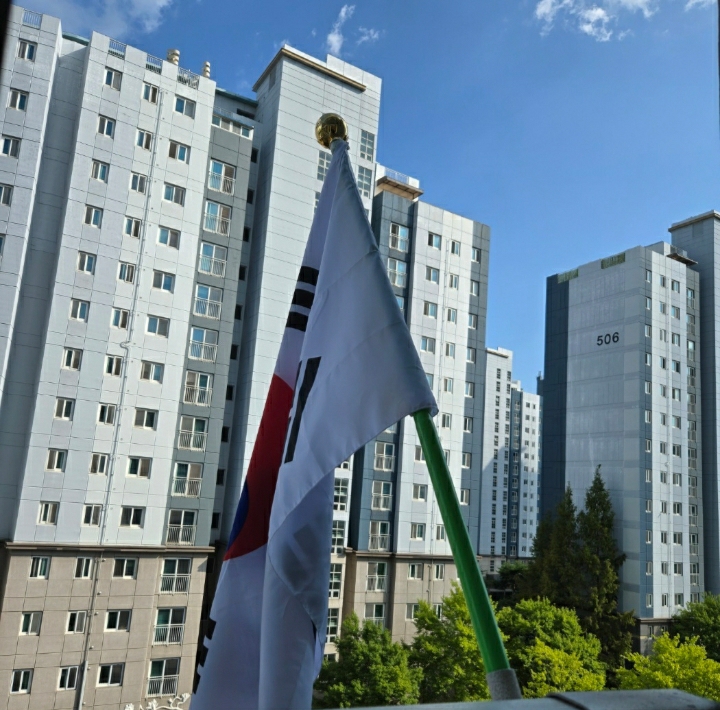
Photo credit by Kim y.
Independence Day in Korea, also known as Gwangbokjeol (광복절), is one of the country's most important holidays. Celebrated on August 15 each year, it commemorates Korea's liberation from Japanese colonial rule, which lasted from 1910 to 1945. This day symbolizes not only the end of a period of oppression, but also recognition of the resilience and strength of the Korean people in preserving their cultural and national identity.
Gwangbokjeol celebrations are characterized by a series of patriotic events and official ceremonies. The President of South Korea, together with senior government officials, attends a solemn ceremony at the Freedom Palace in Seoul. During this ceremony, national anthems are played and speeches are given recalling the sacrifice of patriots and freedom fighters. Additionally, many families hang the national flag, the Taegeukgi, outside their homes as a sign of national pride.
In addition to official ceremonies, Independence Day is also a time for cultural reflection and celebration. Numerous cultural events, performances and festivals take place across the country, highlighting Korea's rich cultural heritage. Museums and historic sites offer free admission or discounts to encourage citizens to learn more about their country's history. On this special day, Koreans of all ages come together to celebrate freedom and look to the future with hope and determination. City streets and squares are filled with color and sound, with parades and fireworks displays lighting up the night sky. Young people enthusiastically participate in traditional games and sports competitions, while the elderly share stories and memories of the past, passing on the value of the freedom achieved to the new generations.
In schools, teachers dedicate special lessons to the history of independence, helping students understand the importance of this day and feel a deeper connection to their roots. Families often get together for lunches and dinners, enjoying typical dishes and sharing moments of conviviality.
Television and the media broadcast historical documentaries and films, offering an overview of the crucial moments of the struggle for independence and honoring the protagonists who made the country's liberation possible. Patriotic songs resonate everywhere, instilling a sense of unity and belonging among citizens.
On this day of celebration, remembrance of the past is intertwined with hope for the future, a future in which Korea continues to prosper as a free and independent nation. Gwangbokjeol celebrations not only strengthen national pride, but also inspire continued commitment to peace, justice and solidarity among people.
Kotalia cover design by Paola Pelissa
PAOLA PELISSA
I