
Korean Calligraphy and Mōk Ink
Korean calligraphy is an ancient and respected art that has a long history and great cultural importance. One of the fundamental components of this art form is ink, known as Mok. Let's explore together the meaning and use of this special ink in Korean calligraphy.
What is Mōk Ink?
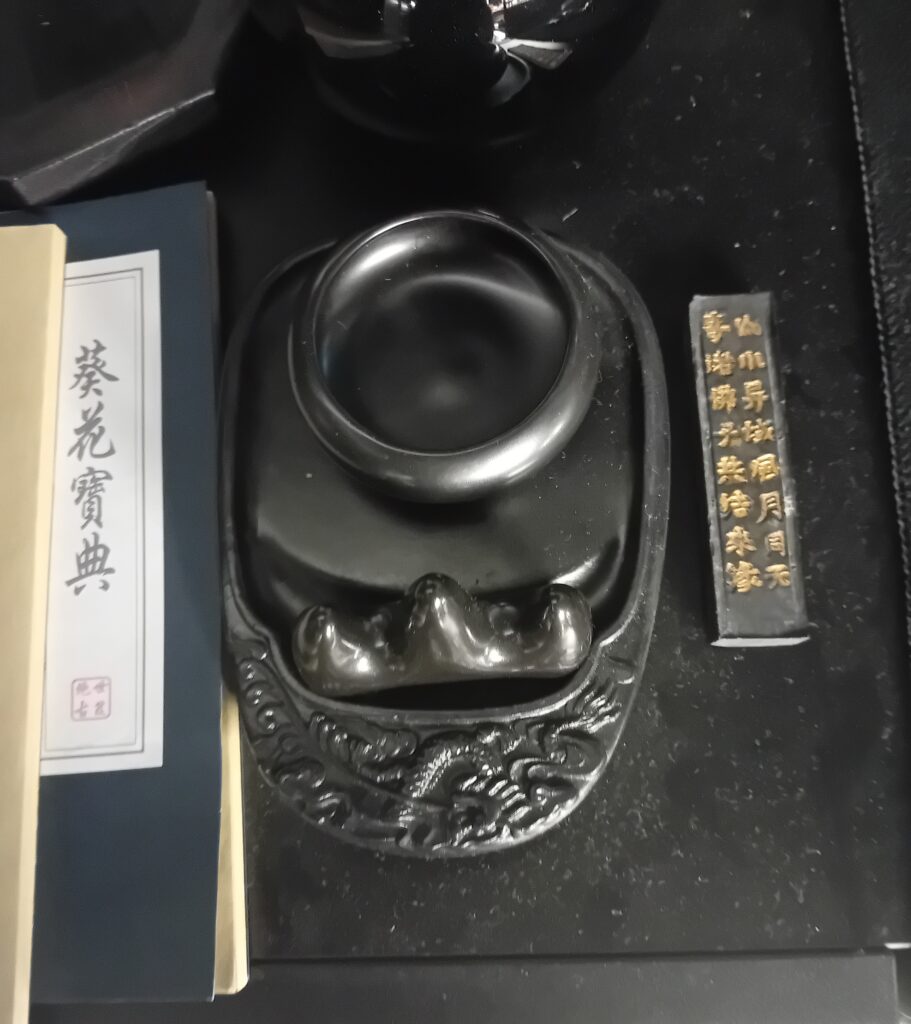
Mōk ink, also known as muk in Korean, it is traditionally made from sticks of solid ink that are rubbed on an ink stone with water to create a paste. This type of ink is prized for its depth and richness of color, which can range from light gray to deep black depending on the amount of water used.
The Preparation of the Ink
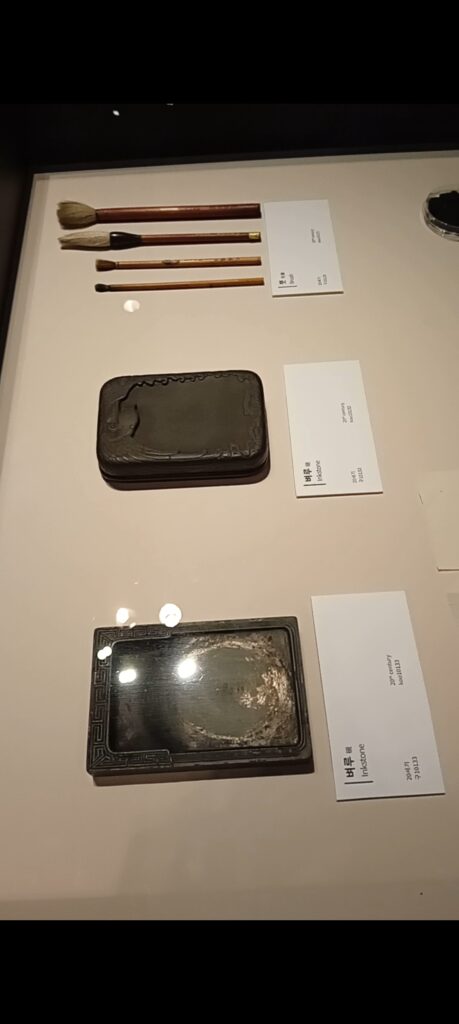
Preparing the ink is a ritual that requires patience and attention. Ink sticks are usually made from soot obtained from burning pine or oil, mixed with a natural binder. To obtain the ink, artists rub the stick on a wet ink stone, a process that takes time and allows one to enter a state of meditative concentration. In Korean culture, calligraphy is not only a means of artistic expression but also a discipline that teaches patience, precision and internal reflection. The use of Mōk ink is an integral part of this practice, as the way the ink is applied to the paper can express various emotions and moods.
Modern Applications
While traditional calligraphy continues to be popular, many contemporary artists find innovative ways to incorporate Mōk ink into their works. It is used not only in calligraphy, but also in painting and other visual art forms, keeping tradition alive while adapting to modern times.
The History of Calligraphy in Korea
Korean calligraphy has a rich and complex history dating back many centuries. In ancient times, writing was considered not only a means of communicating, but also an important art form.
Origins and Development
The practice of calligraphy in Korea began with the introduction of Chinese characters, known as Hanja, during the Three Kingdoms period (57 BC – 668 AD). These characters were imported from China and adapted to the Korean language and culture. The scholars and aristocrats of the time used Hanja to document history, philosophy and literature.
The Influence of Buddhism
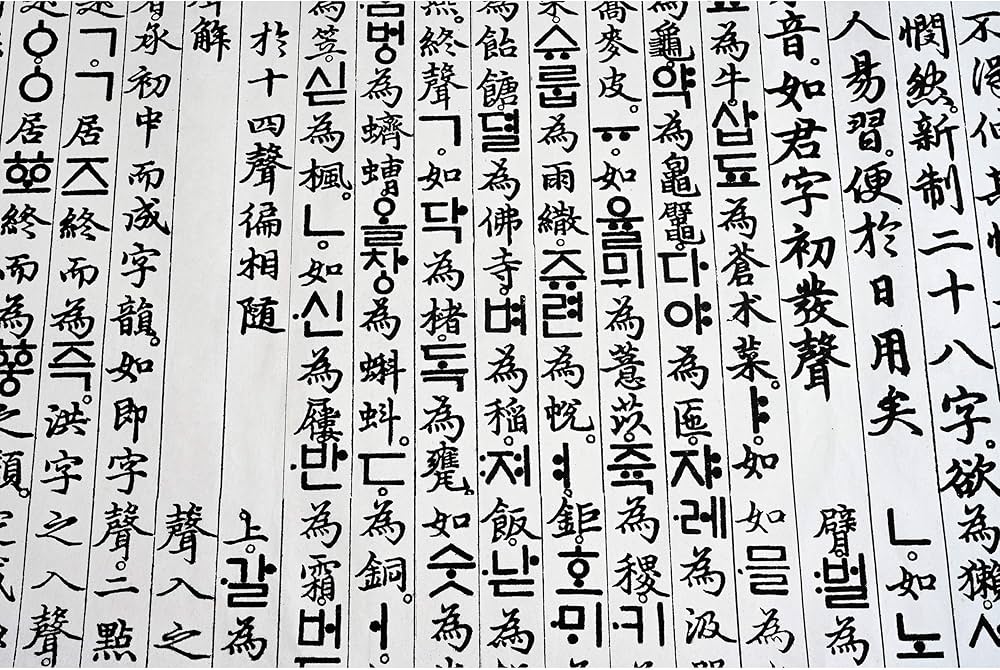
With the spread of Buddhism in Korea, calligraphy became a means of transcribing religious texts, prayers, and sutras. This led to a greater spread of the practice, as Buddhist monks were often among the most skilled calligraphers.
The Creation of Hangul
A crucial moment in the history of Korean calligraphy was the creation of the Korean alphabet Hangul in 1443 by King Sejong the Great and his scholars. Hangul it was designed to be easy to learn and accessible to all, contributing to wider literacy. While Hangul Although it is a phonetic writing system, its creation did not diminish the importance of calligraphy, but rather enriched it, allowing for a new form of artistic expression.
Calligraphy in the Joseon Period
Korean writing, known as “seoye,” has a history spanning more than 2,000 years. During the Joseon period (1392-1910), calligraphy became an essential part of Confucian education, becoming a fundamental component of culture and society. This period, spanning from 1392 to 1910, is often considered the golden age of Korean calligraphy, due to its association with Confucian values and the lasting influence it had on Korean culture. Calligraphy is still taught in schools as a compulsory subject. The beauty of Korean writing is studied deeply, and the result creates a work of art that is both aesthetically pleasing and meaningful.
Calligraphy as a Confucian Discipline
In the Joseon period, Korean society was heavily influenced by Confucianism, which placed great emphasis on education, morality, and culture. Calligraphy was seen as a discipline that reflected a person's moral character and virtues. It was considered an art form that required not only technical skill, but also a high level of personal integrity and inner discipline. Court officials and scholars were also often judged on their calligraphic ability, and the practice of calligraphy became an integral part of their training.
The Evolution of Calligraphic Style
During the Joseon period, calligraphic styles diversified and developed further. While the characters Hanja continued to be used, the new alphabet Hangul introduced a new dimension to calligraphy, allowing for more personal and creative expressions. Calligraphers of the Joseon period developed unique styles that combined tradition and innovation, and many of the works created in this period are still appreciated today for their elegance and depth.
Calligraphy in Everyday Life
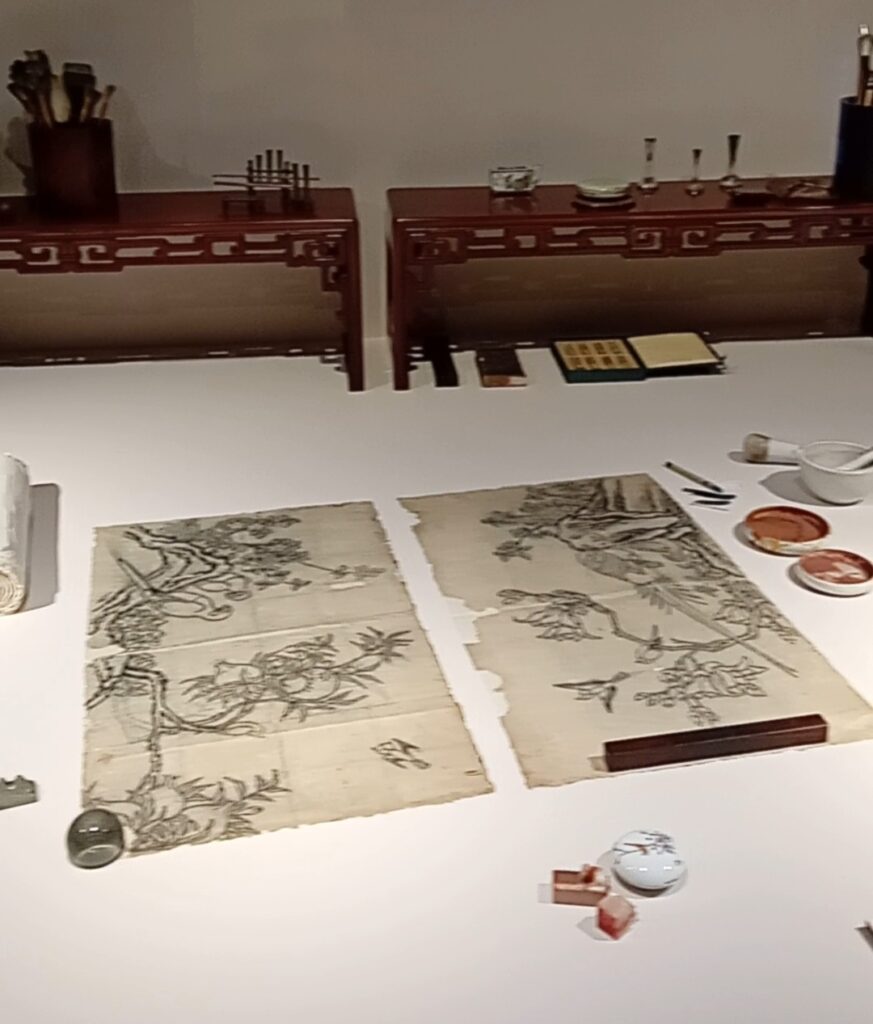
Calligraphy was not just an art reserved for aristocrats or scholars; it was an integral part of daily life. Official documents, books, and even everyday objects such as fans and pottery were often decorated with calligraphic works. This helped spread the beauty and importance of calligraphy throughout society, making it accessible to a wider audience.
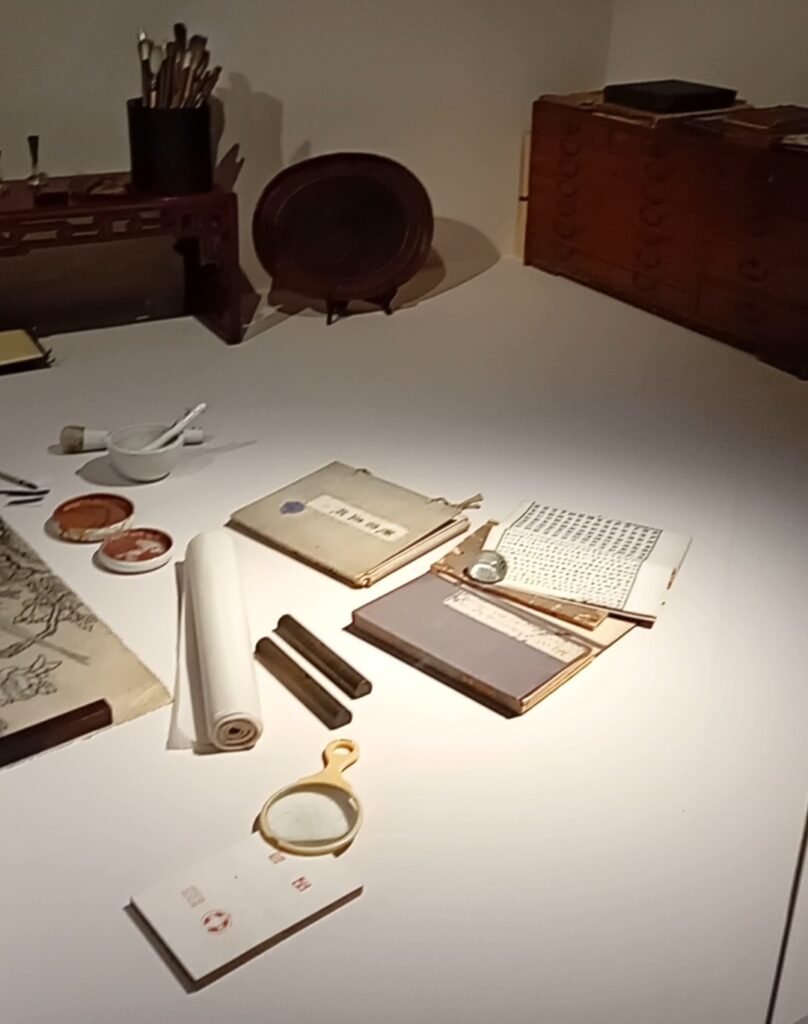
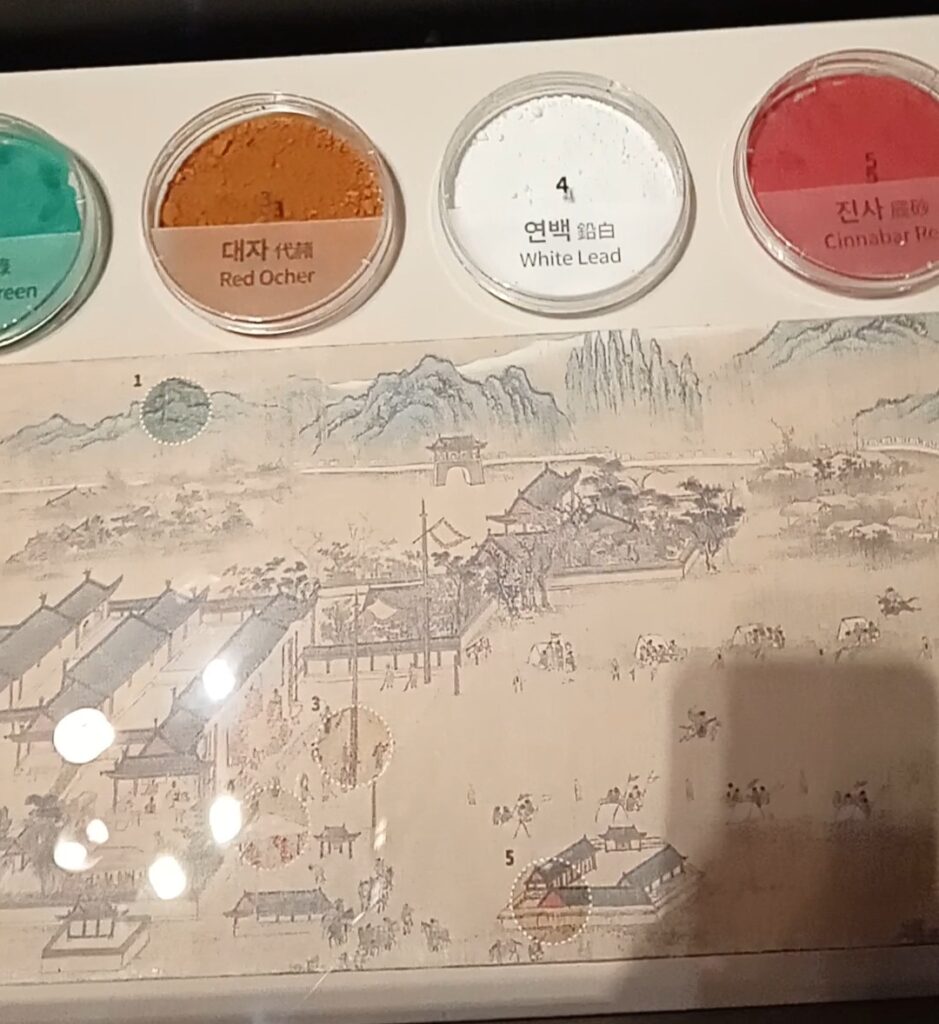
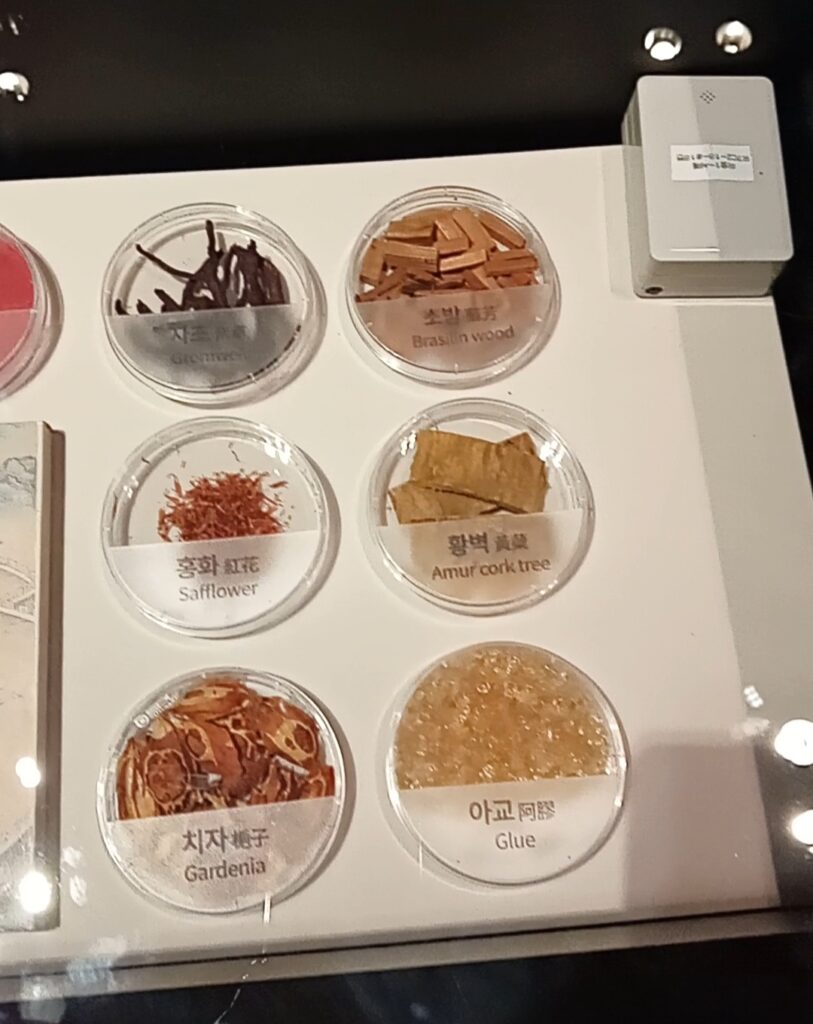
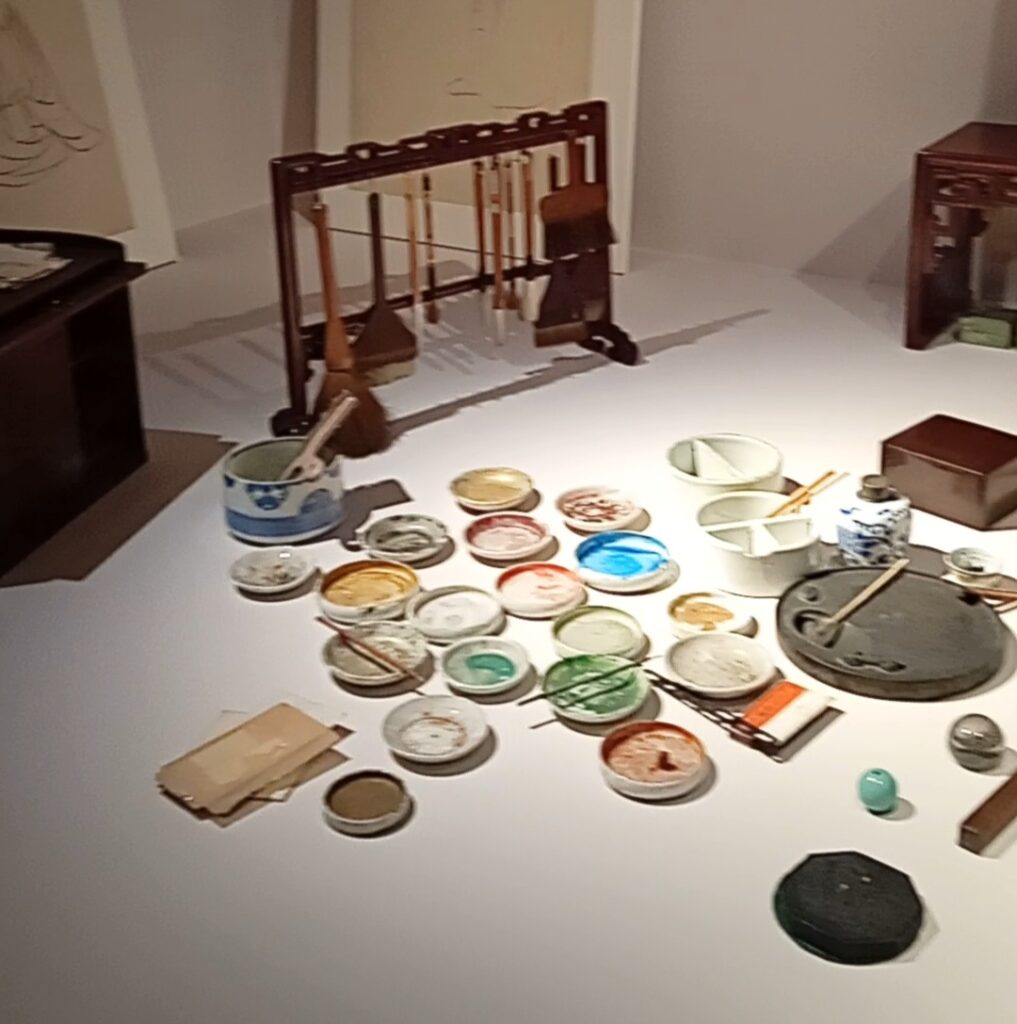
The brush is a fundamental tool in Korean writing, as it allows the artist to express his creativity and individuality. Just like the colors which in painting and calligraphy have always been delicate with colors diluted with water and had origins from natural materials.
The brushes used in Korean writing are made of animal bristles, such as horse or goat, and have a cylindrical shape.
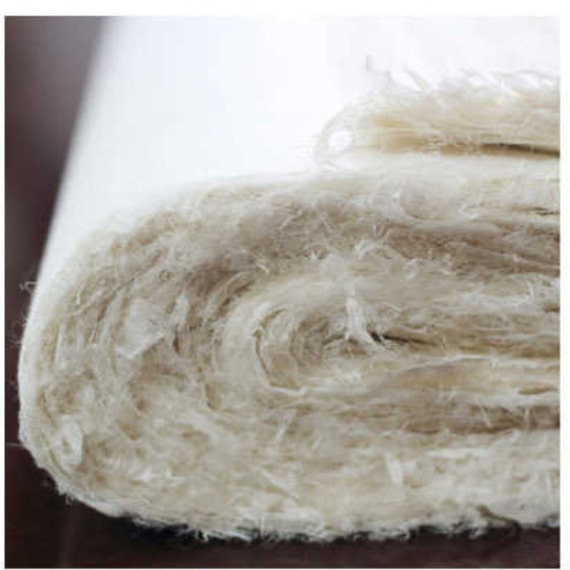
the paper used is rice paper, or hanji in Korean, it is traditionally produced using the fibers of the mulberry tree, a robust plant that gives the paper a unique durability and quality. This type of paper is prized for its soft texture and ability to absorb ink evenly, making it ideal for calligraphy and painting.
To be able to work with paper the writer needs some objects, the first is "the horse's foot" which consists of a support for the brush that allows the artist to control the pressure of the line. The second is the ink dish which, as the name suggests, is nothing more than a container for ink, which allows the artist to dip the brush into the Mōk. The last object called "the paper weight" is a heavy object that is placed on the paper during the writing process. This helps the artist keep the paper stable and prevent it from moving while writing.
The Legacy of Calligraphy in the Joseon Period
The legacy of Joseon period calligraphy continues to influence modern Korean culture. Calligraphic works from this period are considered national treasures and are studied and admired for their beauty and historical significance. Calligraphy has also inspired many contemporary art forms, demonstrating its continued relevance and ability to evolve with the times, the Joseon period represented a pivotal moment in the history of Korean calligraphy, elevating it to a respected and celebrated art form.
Rice paper, or hanji in Korean, it is traditionally produced using the fibers of the mulberry tree, a robust plant that gives the paper a unique durability and quality. This type of paper is prized for its soft texture and ability to absorb ink evenly, making it ideal for calligraphy and painting.
Rice paper, or hanji in Korean, it is traditionally produced using the fibers of the mulberry tree, a robust plant that gives the paper a unique durability and quality. This type of paper is prized for its soft texture and ability to absorb ink evenly, making it ideal for calligraphy and painting.
Cover photo credit Paola Pelissa
Paola Pelissa