
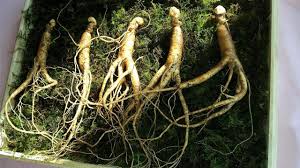
Korean Ginseng, also known as Panax Ginseng, is a perennial plant native to the mountainous regions of Korea, China and eastern Siberia. It is famous for its roots, which have been used for centuries in traditional Asian medicine for their tonic and adaptogenic properties. The term "Panax" comes from Greek and means "panacea", suggesting the numerous therapeutic applications of the plant.
Korean Ginseng roots are rich in active compounds called ginsenosides, which are believed to be responsible for its beneficial health effects. Among the main benefits attributed to Korean Ginseng are the improvement of physical and mental resistance, the improvement of memory and concentration, the strengthening of the immune system and the reduction of stress. Additionally, it is often used to improve sexual function and combat chronic fatigue.
Furthermore, Korean ginseng has been the subject of numerous scientific studies that have confirmed its effectiveness in various areas of health. For example, some research has shown that ginseng can improve memory and attention, making it a popular natural remedy among students and professionals. Other studies have highlighted its potential to reduce blood sugar levels. In addition to traditional use, Korean ginseng has become a highly sought-after ingredient in modern cosmetics as well. Numerous beauty products, such as creams, serums and masks, contain ginseng extracts for its regenerating and anti-aging qualities. Korean women are known for having glowing and youthful skin, and the use of ginseng in their beauty rituals is considered one of the secrets of this characteristic.
The cultivation of Korean ginseng takes place mainly in South Korea, where the climate and soil conditions are ideal for the growth of this plant. In particular, Gangwon, Gyeonggi and Chungcheong provinces are famous for producing high-quality ginseng.
The process of growing ginseng requires a lot of patience and care, as the plant takes approximately 4-6 years to reach maturity and develop its beneficial properties. The soil must be well-drained and rich in nutrients, and the plant needs partial shade to protect itself from direct sunlight. During this period, growers must carefully monitor soil and plant conditions, ensuring an optimal balance between humidity, temperature and nutrients.
During this time, the plants are carefully cared for to ensure they receive the right balance of nutrients and protection from pests. Once harvested, ginseng can be processed in a variety of ways, such as steam-dried to produce the famous Korean red ginseng, which is particularly prized for its intense flavor and powerful therapeutic properties.
Korean Red Ginseng is grown mainly in Geumsan Province and Jirisan Region, where the climate and soil conditions are ideal for its growth.

The cultivation and preparation process of Korean Red Ginseng is very meticulous. The roots are grown for a period of six years, during which they gain their potency and therapeutic benefits. After harvesting, the roots are steamed and then dried, a process that gives them their distinctive red color and increases their shelf life. This processing method is what distinguishes Korean Red Ginseng from other types of ginseng, which are often consumed fresh or dried without heat treatment.
The reputation of Korean Red Ginseng is supported by numerous scientific studies that attest to its effectiveness. It is used in both traditional Asian and modern medicine and is often sold in the form of extracts, capsules, teas, and cosmetic products. Its popularity is not limited to Korea but extends globally, making it one of the most sought-after herbal products in the world.

D
Furthermore, Korean ginseng has been the subject of numerous scientific studies that have confirmed its effectiveness in various areas of health. For example, some research has shown that ginseng can improve memory and attention, making it a popular natural remedy among students and professionals. Other studies have highlighted its potential to reduce blood sugar levels.
I
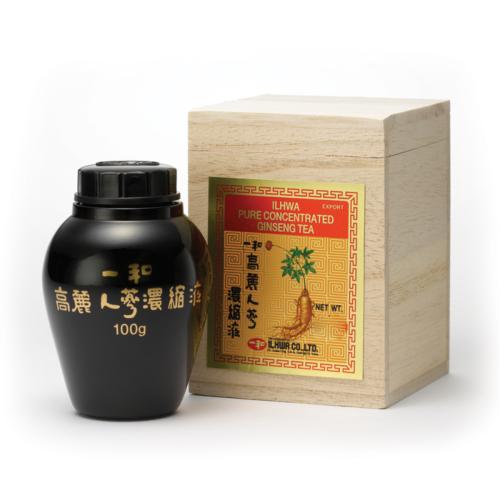
Ginseng has an ancient and fascinating history dating back thousands of years. It was already known and used in ancient Korea and in traditional oriental medicine for its medicinal and tonic properties. The earliest records of Korean ginseng date back to the Han Dynasty in China (206 BC – 220 AD), but it is believed to have been used in Korea even earlier, during the Three Kingdoms period (57 BC – 668 AD). Ancient Koreans considered it a sacred gift of nature, capable of conferring strength, vitality and longevity.
In Korea of the past, ginseng was so valuable that it was even used as a currency. It was reserved for the noble classes and royalty, and was offered as tribute to Chinese emperors. Harvesting wild ginseng was a dangerous activity and required skill and local knowledge, as ginseng plants grow in remote and hard-to-reach places. The gatherers, called "simmani", were considered experts and respected for their ability to find and identify ginseng plants.
Korean ginseng was also the focus of numerous legends and myths. It was said that the ginseng root, due to its human form, was a living being endowed with magical powers. According to legend, a ginseng collector could meet a guardian spirit of the plant who would grant him wishes in exchange for his discovery. This aura of mystery and sacredness has contributed to making ginseng a fundamental element of traditional Korean culture and medicine, a symbol of health and well-being that continues to this day.
Paola Pelissa
Photos all credits on the web