

Korean roof tiles, known as "giwa" (기와), are a distinctive element of Korea's traditional architecture. These ceramic tiles are used to cover the roofs of houses, temples and other historic buildings, giving them an elegant and harmonious appearance.
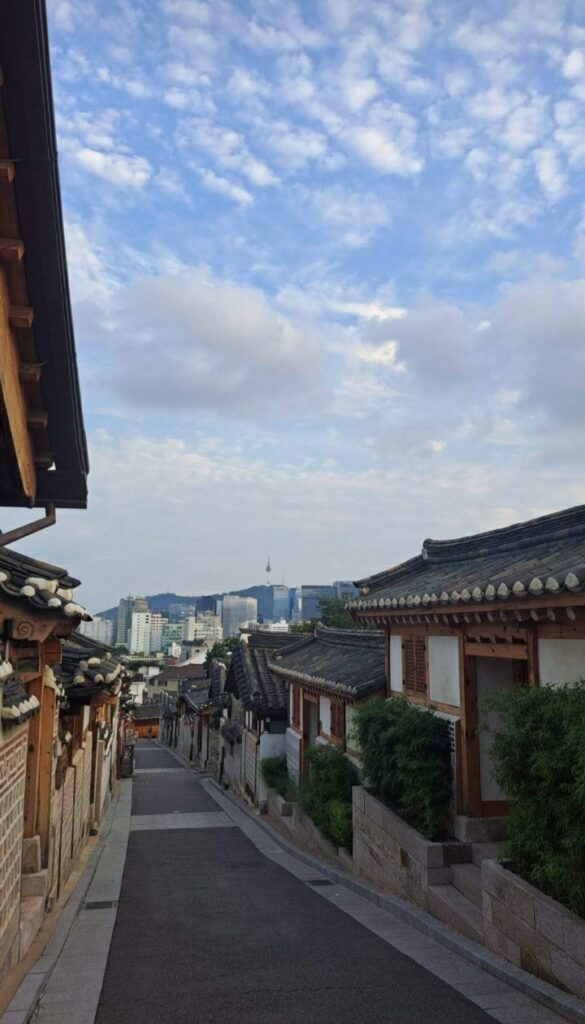
"Giwa" are traditional Korean roof tiles used in the construction of roofs on homes and historic buildings. The history of giwa dates back more than a thousand years, during the Three Kingdoms period of Korea (57 BC – 668 AD). However, the use of ceramic tiles became especially common during the Goryeo Dynasty (918-1392) and Joseon Dynasty (1392-1897).
They are known for their distinctive design and durability. They are made from clay and fired in ovens at high temperatures, a process that gives them extraordinary resistance to atmospheric agents. These tiles not only protect structures from the elements, but also add a distinctive aesthetic touch, typical of traditional Korean architecture.
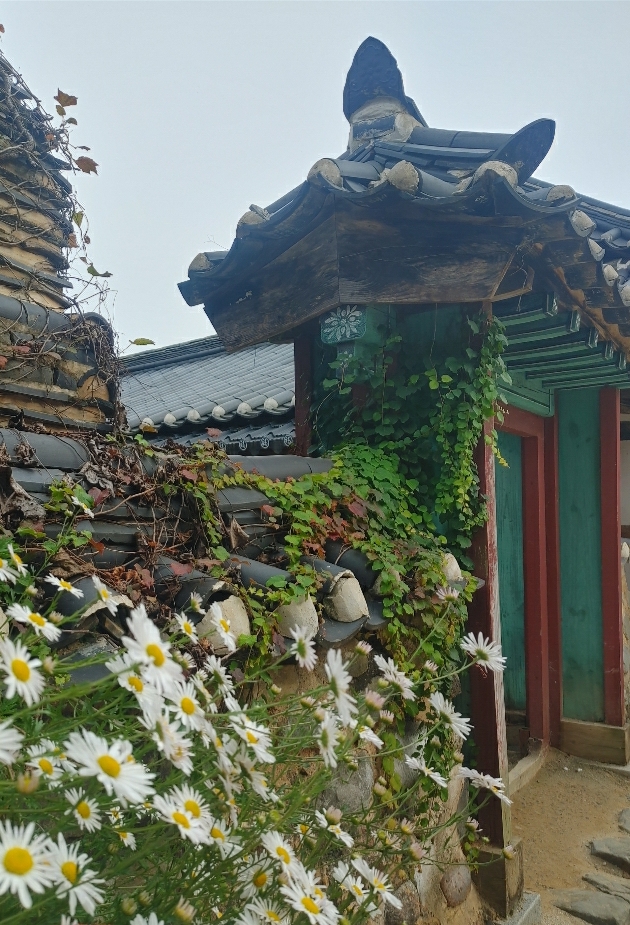
Today, giwa are still used in restorations of historic buildings and in new constructions that wish to maintain a connection with Korean cultural tradition. There are two main types of giwa: flat tiles, called "am giwa" (암 기와), and curved tiles, known as "ot giwa" (숫 기와). Curved tiles are placed on top of flat tiles to create an interlock roofing system that effectively protects buildings from the elements.
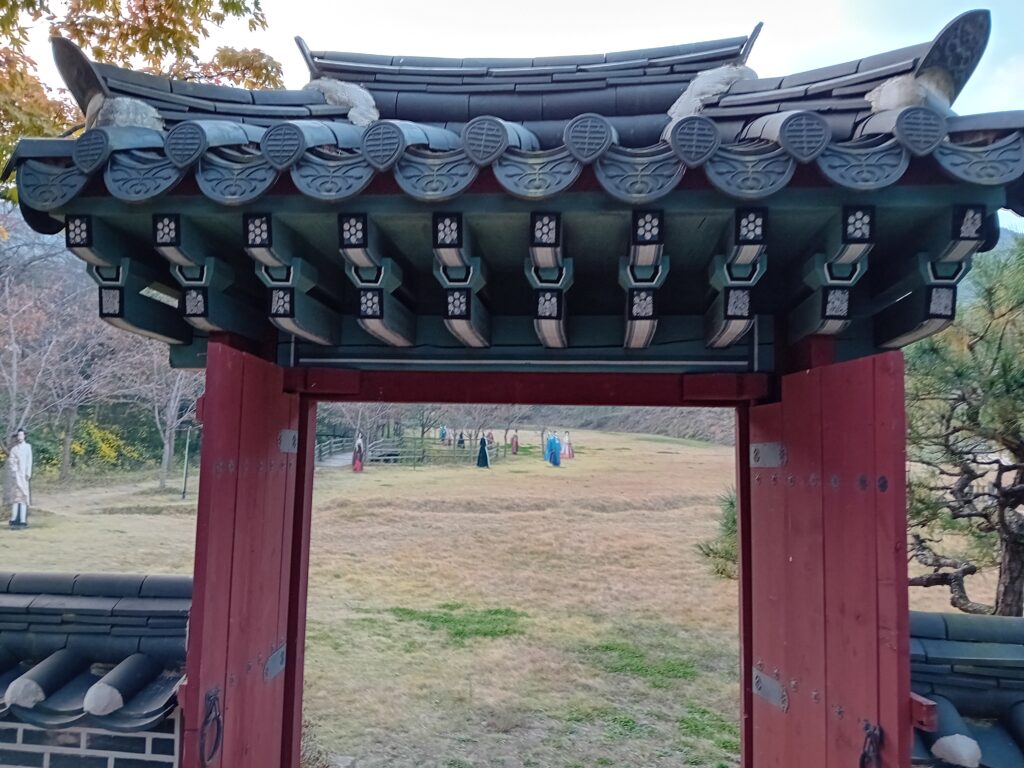
An interesting aspect of giwa is their symbolic meaning. Often, the ends of the tiles are decorated with traditional motifs, such as dragons, cranes or lotus flowers, which are believed to bring good luck and protection. Additionally, the color of the shingles can vary from gray to black, depending on the region and aesthetic preferences.
Symbolism of the Giwa
- Dragon (용): The dragon is a symbol of power and strength. In Korean culture, the dragon is often associated with protection and prosperity. Roof tiles with dragon designs are often used in royal palaces and temples to protect buildings from negative forces.
- Phoenix (봉황): The phoenix represents peace and rebirth. The images of the phoenix on the tiles are a wish for good luck and harmony. This symbol is used to invoke blessings and renewal.
- Lotus Flowers (연꽃): The lotus flower is a symbol of purity and spiritual enlightenment. In Buddhist tradition, the lotus represents purity of body, speech and mind. Tiles with lotus designs are common in Buddhist temples.
- Pine (소나무): Pine is a symbol of longevity and endurance. Pine patterned shingles represent stability and durability. This symbol is especially popular in traditional homes, where a long and prosperous life is desired.
- Jewelry (보석): Jewel designs on tiles are symbols of wealth and abundance. These designs are often present on the roofs of palaces and noble houses. Korean roof tiles are special for several reasons:
- Natural Materials: They are made mainly with clay, which is fired at high temperatures to ensure durability and resistance to atmospheric agents.
- Aesthetic Design: Korean roof tiles have a unique and often decorative design, with curved shapes that add a distinctive aesthetic touch to the roofs of traditional homes.
- Functionality: In addition to the aesthetic appearance, these tiles are designed to be highly functional. Their curved shape helps channel rainwater, preventing infiltration and structural damage.
- Culture and Tradition: Korean roof tiles are a symbol of Korean culture and tradition. They are often used in construction Hanok, traditional Korean houses, which reflect harmony with nature and the use of ecological materials.
- Durability: Thanks to the firing process and the quality of the materials, Korean roof tiles are extremely durable and can last for decades without the need for frequent replacement.
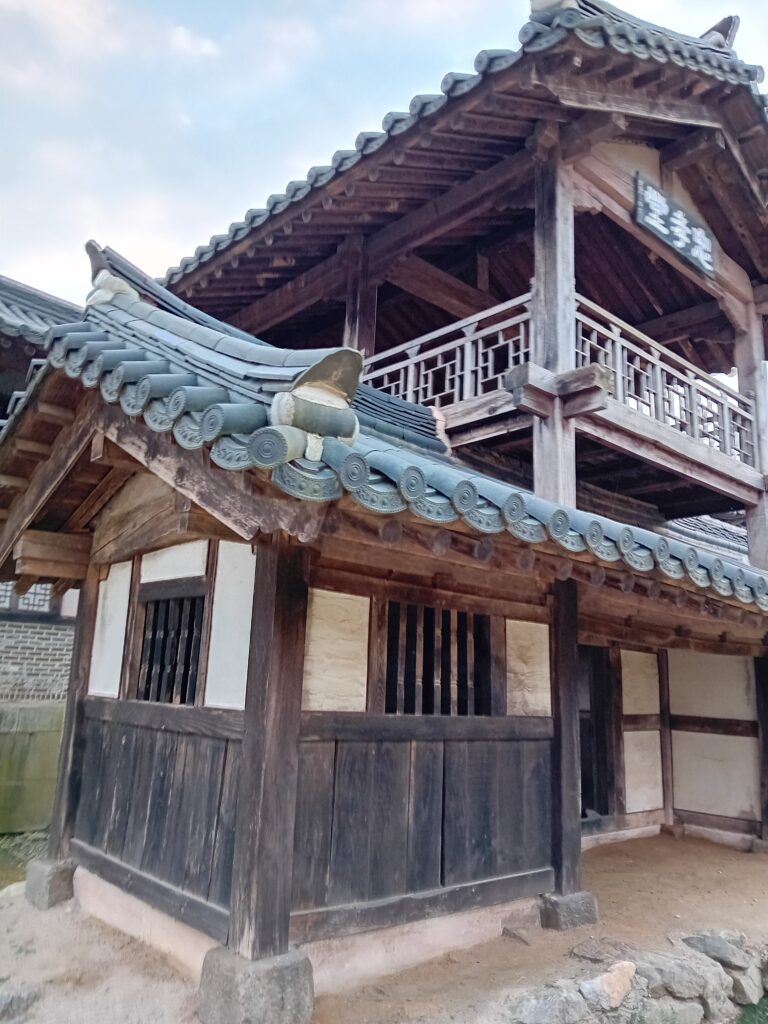
Giwa tiles are much more than just building materials; they are bearers of symbols that tell the culture and history of Korea through art and architecture. Walking through the streets of Korea will make you raise your eyes to the sky countless times, to contemplate the beauty and uniqueness of these tiles that adorn Korean houses, which even today you can see everywhere around you and in every corner of the cities.
- Photo coretina credit Kim Young-ho
Paola Pelissa