
The Seoul Station is located in the Yongsan-gu district and is one of the main stations in the South Korean capital.
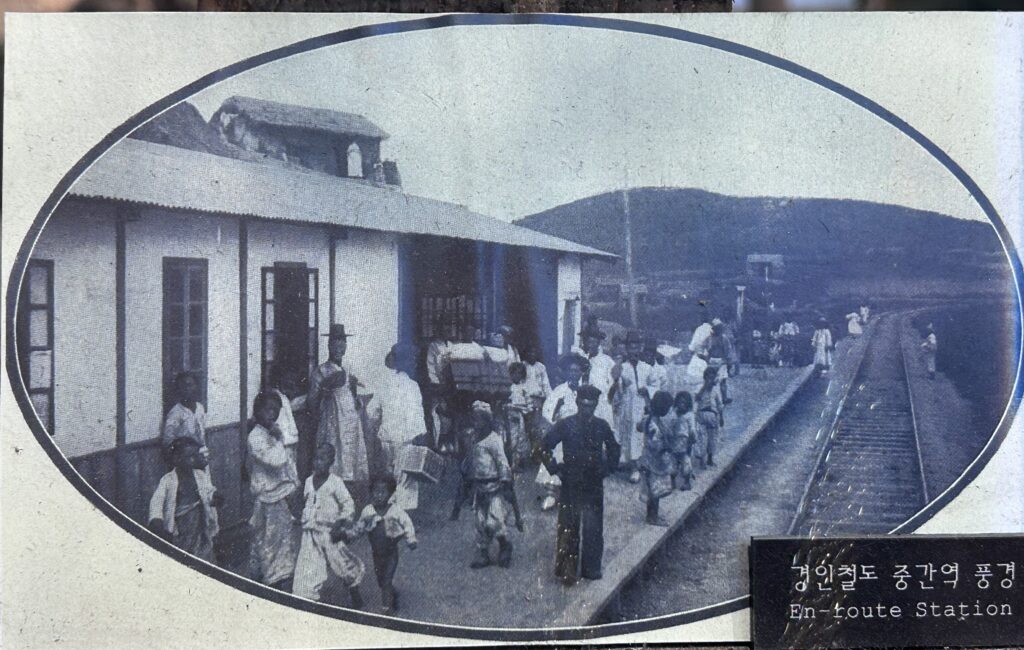

Seoul Station (서울역, Seoul-yeok) opened on September 30, 1925. Originally built during the period of Japanese occupation of Korea, the station has become a major rail hub for the city of Seoul and the entire South Korea. In 2004, a new modern facility was built next to the original building to accommodate the expansion of rail services, including KTX high-speed trains. The historic station building was later restored and converted into a museum and cultural center, maintaining its historical and architectural value.






This station is not only a transit point for trains, but also a commercial and cultural center. Inside, travelers can find shops, restaurants, cafes and even an art gallery. Seoul Station is the starting point of the KTX high-speed rail lines, which connect the city with other major destinations in South Korea, such as Busan, Daejeon and Gwangju.
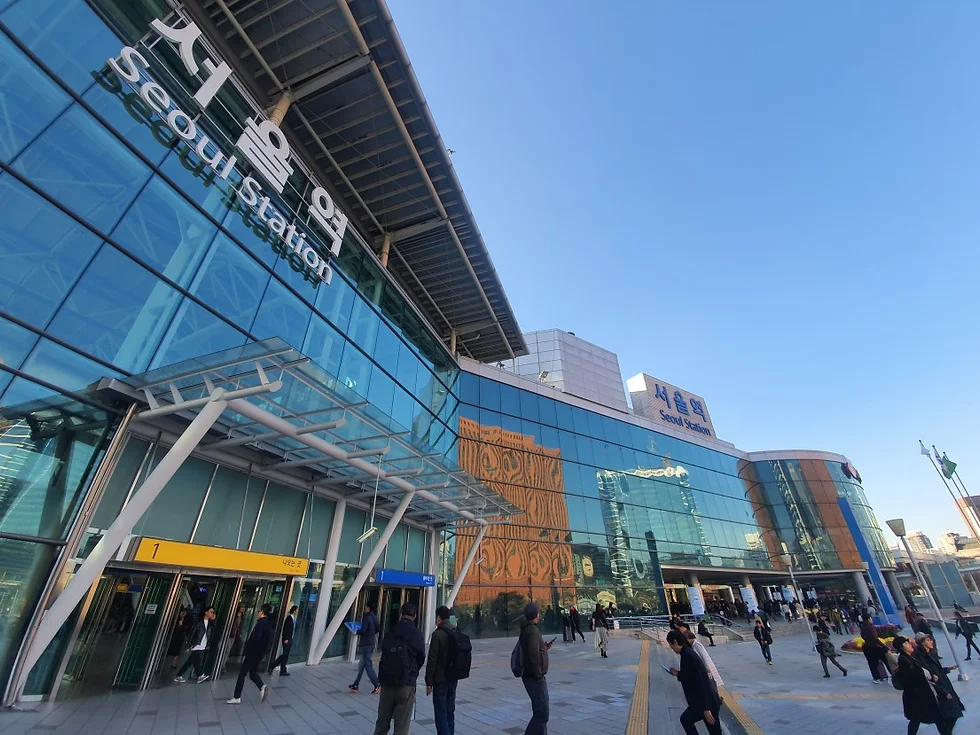
Seoul Station (서울역, Seoul-yeok) connects several train lines, including the Seoul Subway Line 1, the Gyeongui-Jungang Line and the AREX (Airport Railroad Express) Line, which takes you directly to Incheon International Airport.
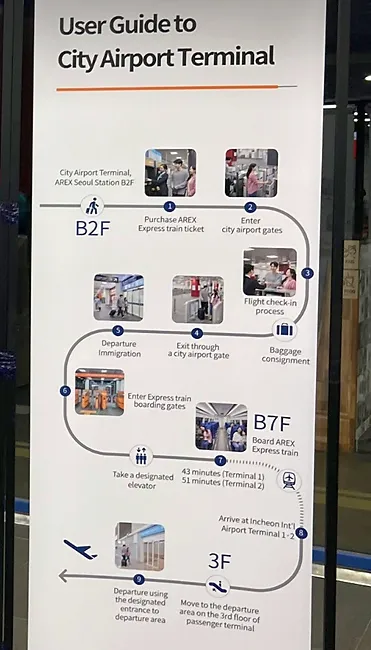
S
Facilities and Services
Seoul Station is modern and well-equipped, offering a wide range of services for travelers:
- Automatic ticket machines and counters for purchasing train tickets
- Commercial areas with shops, restaurants, and cafes
- Luggage storage services
- Free Wi-Fi connection in many areas of the station
- Accessibility facilities for people with disabilities
Connections
Seoul Station is a key starting point for various types of transportation:
- KTX (Korea Train Express) high-speed trains which connect Seoul with other major cities such as Busan, Daejeon, and Gwangju
- Regional and local trains, such as the Mugunghwa and the Saemaeul
- Bus services urban and interurban
- Taxi easily available outside the station
Nearby Attractions
In the surroundings of Seoul Station there are numerous tourist attractions and points of interest:
- Namdaemun Market, one of the largest and oldest traditional markets in Seoul
- Namsan Seoul Tower, an iconic observation tower with panoramic views of the city
- Lotte Outlets, a shopping center with many fashion shops and restaurants
Seoul Station is therefore not only an important transport hub, but also an ideal starting point for exploring the vibrant city of Seoul and the country's countless tourist attractions.
Rosamaria Caiazza