
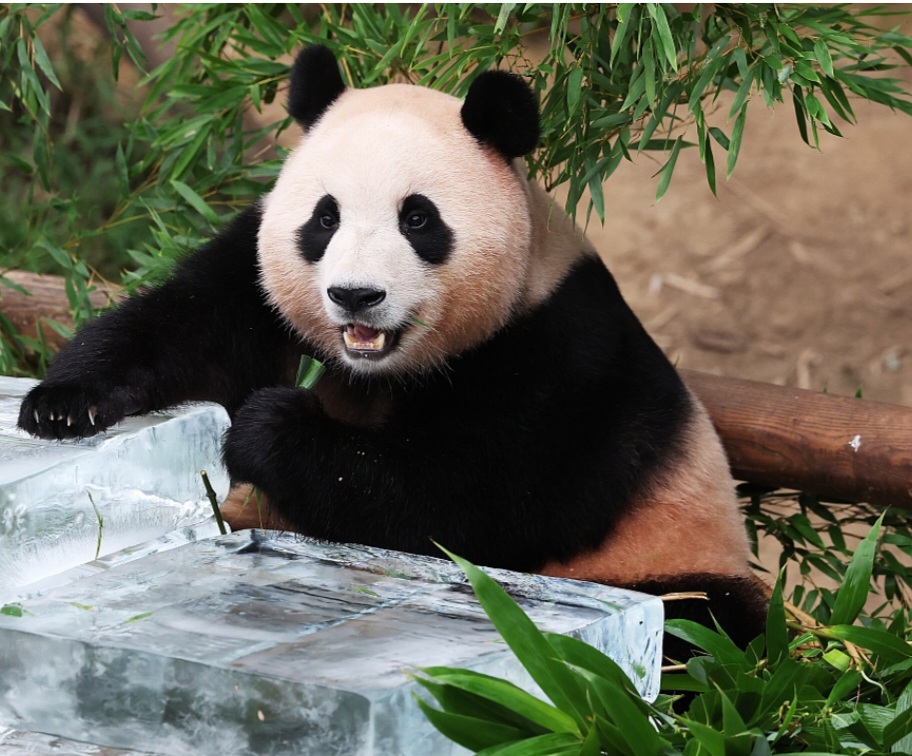
Fu Bao is a giant panda born on July 20, 2020 at Everland theme park in Yongin Gyeonggi-do province in South Korea.
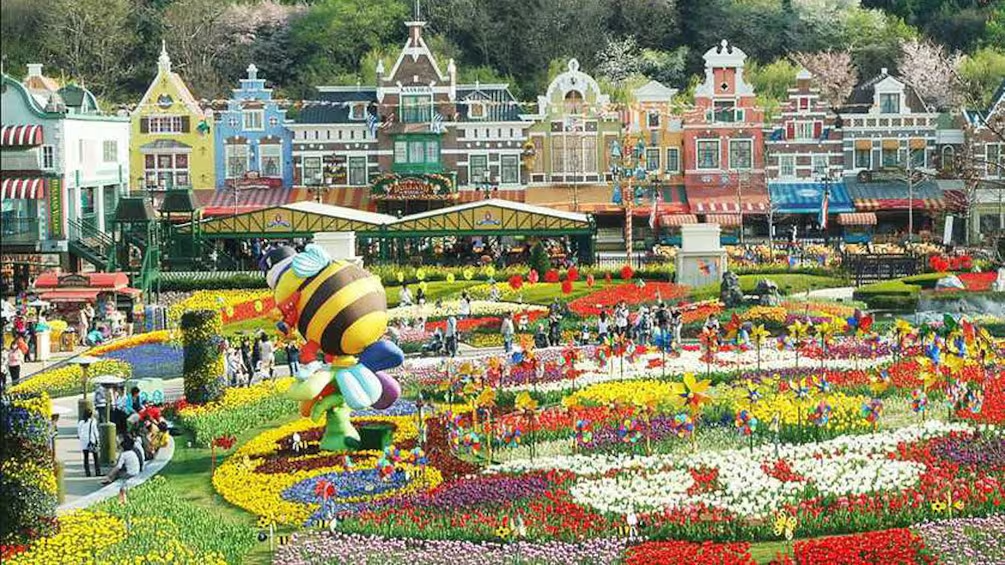
Fu Bao is the first giant panda born in the country, a very significant event, given that giant pandas are a critically endangered species and their reproduction in captivity is a complex challenge. The name "Fu Bao" means "lucky treasure" in Chinese, reflecting the hope and joy that his birth brought not only to the theme park but also to all those who follow giant panda conservation.
Fu Bao's parents, Ai Bao e Le Bao, were gifted to South Korea by China in 2016 as a symbol of friendship and cooperation between the two countries.
Ai Bao and Le Bao are two adorable giant pandas who reside in Everland Zoo, South Korea. These two pandas, originally from China, were sent as part of an international cooperative program for the conservation of the species. Ai Bao, the female, and Le Bao, the male, quickly became the stars of the zoo thanks to their playful nature and charming features.

Giant pandas are known for their distinctive black and white coat and their almost exclusively bamboo-based diet. Ai Bao and Le Bao are no exception, spending much of their day chewing bamboo and resting. Despite their apparent laziness, pandas are very active and curious animals. Ai Bao, in particular, is known for her affectionate behavior and her fondness for playing with zookeepers.

The presence of Ai Bao and Le Bao at Everland Zoo is not only an attraction for visitors, but also an important contribution to global conservation efforts. Through education and research programs, the zoo works to raise awareness of the plight of giant pandas and promote sustainable conservation practices.

The couple also first had the birth of little Fu Bao, the first Panda born in captivity in South Korea and therefore considered a National Treasure, (the name Bao means TREASURE) and further captured the hearts of many, symbolizing hope for the future of the species.

the two Giant Pandas subsequently became parents of two adorable twins Rui Bao and Hai Bao who were born on July 7, 2023.

The twins' name has a particular meaning: Rui Bao means "wise treasure" and Hui Bao means "shining treasure". These names reflect the affection and hope that the Korean nation places in these symbolic animals. The birth and growth of Rui Bao and Hui Bao not only represent a success for conservation efforts, but also strengthen cultural and scientific ties between South Korea and China.
The birth of Fu Bao, as we said, was welcomed with great enthusiasm and attracted the attention of the international media. Its growth and development have been constantly followed with interest by experts and animal enthusiasts around the world, as each new panda born in captivity represents a victory in the fight to safeguard this fascinating species.

Fu Bao lived in a specially designed area within the Everland park, where she was raised and cared for with great dedication by her two Zookeepers who became very famous in the hearts of anyone who began to know and love the Bao Panda Family.

Kang Tae-ho and Song Young-Kwan, these two industry experts played a fundamental role in Fu Bao's growth and care, guaranteeing her the best possible attention. Their dedication and passion for animal welfare was evident in Fu Bao's health and happiness.
Kang Tae-ho He is known for his patient and methodical approach, which is essential to creating a safe and nurturing environment for Fu Bao. His experience dealing with large animals, particularly pandas, has made Kang a leading figure within the zoo. His ability to build a bond of trust with Fu Bao was an exciting example of how the relationship between man and animal can be deeply meaningful.

Song Young Kwan, on the other hand, he brought a contagious energy and great creativity to his role. He is known for developing games and activities that mentally and physically stimulated Fu Bao, contributing to his overall well-being. The combination of Kang and Kim's skills created an ideal environment for Fu Bao to grow, demonstrating how important teamwork was and is in animal care.

China, the natural home of giant pandas, has implemented rigorous programs for the conservation of this iconic species, which has long been at risk of extinction. Part of these efforts includes managing the captive panda population through partnerships with zoos and wildlife sanctuaries around the world. Often, pandas born abroad are sent to China once they reach a certain age to be integrated into breeding programs and to contribute to the genetic diversity of the captive population.
Furthermore, bringing pandas back to China allows them to live in an environment more similar to their natural habitat, and facilitates scientific research and monitoring of their health and behavior. These transfers are generally greeted with enthusiasm by both conservationists and the public, as they represent a step forward in the protection and well-being of this species. The decision to return Fu Bao to China was made in accordance with international panda loan agreements, which stipulate that cubs born outside China must be returned to their home country once they reach a mature age for breeding.
The transfer of Fu Bao was a significant and very painful event for the Koreans, who experienced this separation with great emotion and sorrow, although aware of the fact that Princess Fu Bao, as she is called in Korea, had to leave her home and her large human family and consequently South Korea. Fu Bao's departure was followed all over the world, the images of her fans in the rain, as well as the photos and shots stolen from her Zookeepers were truly heartbroken, they moved all those who fell in love with her and her story. Throughout the day, the Korean media covered this event which was characterized by special ceremonies and emotional greetings. Zoo visitors had the opportunity to see Fu Bao for the last time, and many expressed their affection through letters, drawings and gifts.
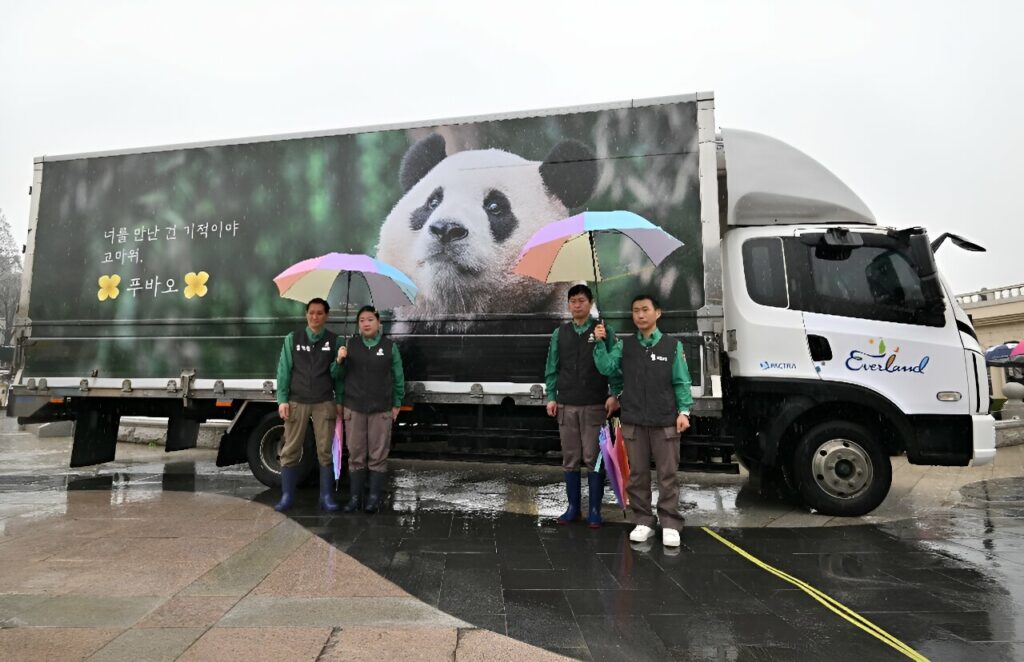

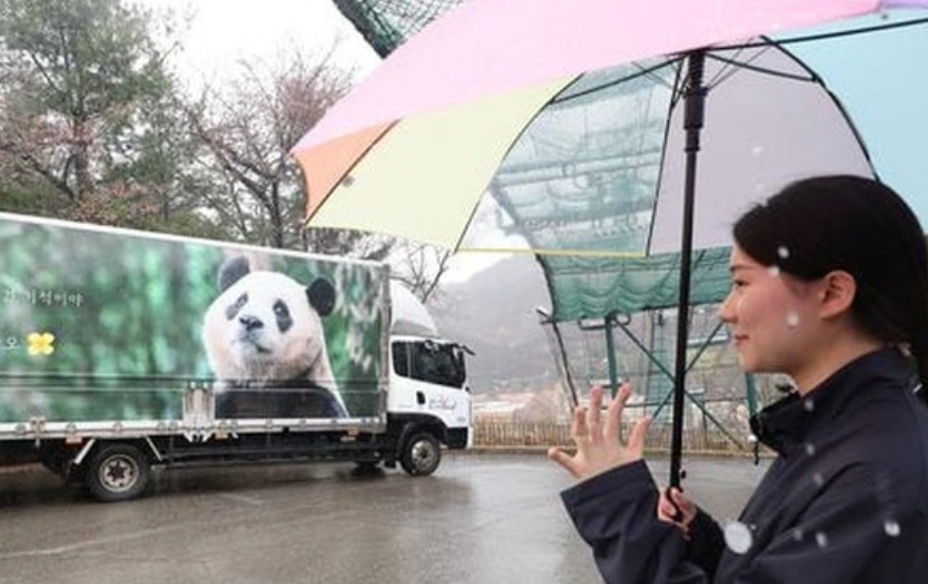

In China, Fu Bao has been welcomed into a nature reserve specially designed for giant pandas, where she will be able to reunite with other specimens of her species. Here, he will receive specialized care and will have the opportunity to live in an environment that reproduces as closely as possible the natural conditions of his original habitat. His return to China was a significant event, marked by a mixture of pride and sadness. Many Koreans had grown fond of Fu Bao, watching her grow through regular updates and visits to the Everland Zoo.
The bond between Fu Bao and the Korean people will not be easily extinguished. Although Fu Bao now lives in China, his story will continue to be remembered and celebrated in South Korea. His return to China not only marks the end of a chapter, but also the beginning of new opportunities for international cooperation and global efforts to protect endangered species. Despite the sadness of Fu Bao's departure, many Koreans understand the importance of this step for the protection of the species and hope that the panda can live a long and healthy life in his home country.
However, the hope of seeing Fu Bao back in South Korea has not completely faded. The relations between the two countries in the field of panda conservation are strong, and it is not excluded that there may be new collaborations and exchanges in the future. Koreans remain hopeful and hope to be able to welcome Fu Bao, with his new family, back to Everland, thus continuing to promote awareness and love for these beautiful animals.

Paola Pelissa