
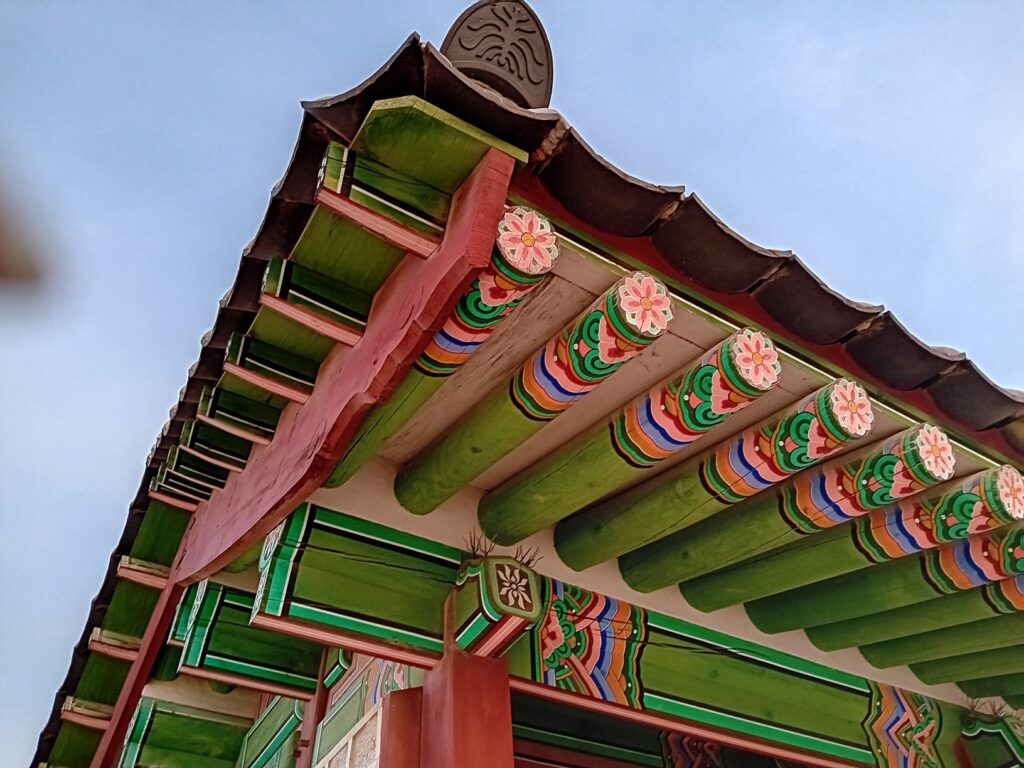
The decorations of Korean temples are an essential element of their architecture and represent a fascinating fusion of aesthetics, spirituality and tradition. These temples, which date back centuries of history, are adorned with intricate details that reflect Korean culture and religion, especially Buddhism.
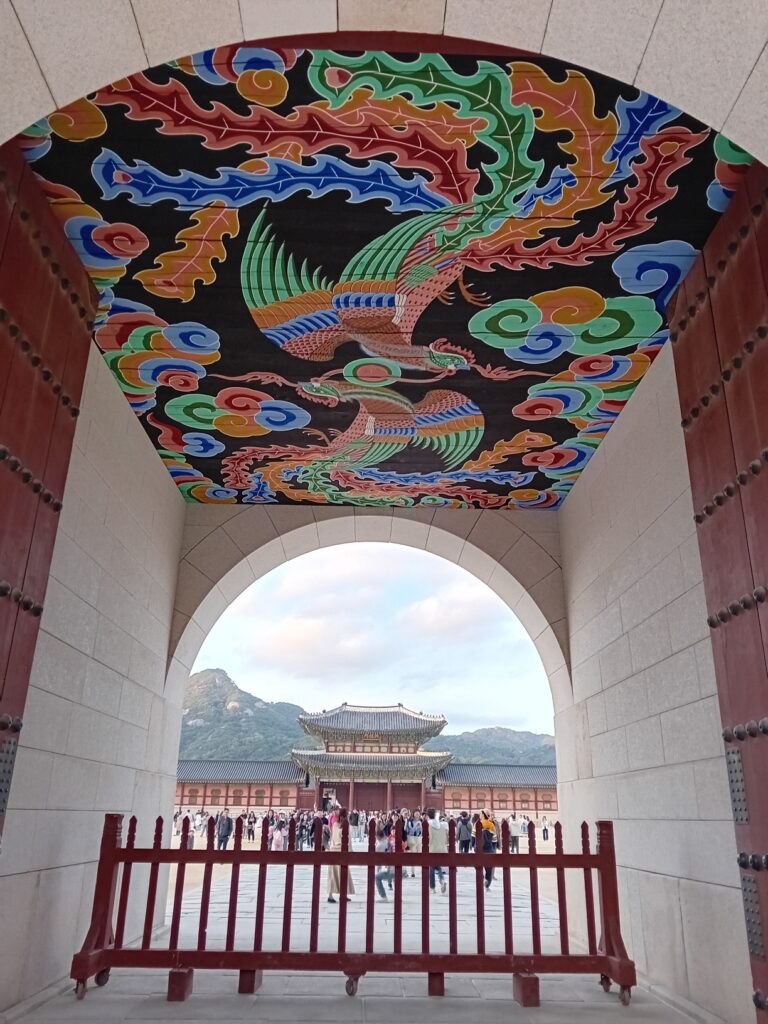
One of the most distinctive aspects of Korean temple decorations is "dancheong," a term that refers to brightly painted patterns applied to wood. Dancheong uses a range of bright colors such as red, blue, green, and gold, and often features natural motifs such as flowers, clouds, and mythological animals. These motifs are not only decorative, but also have a symbolic meaning; for example, the color red can represent protection against evil spirits, while blue is associated with wisdom and serenity. The color technique used in Korean temples is called "Dancheong" (단청). This traditional painting technique is used to decorate wooden buildings, especially Buddhist temples, palaces and pavilions. The term "Dancheong" literally means "red and green" in Korean, but the designs include a wide range of bright colors such as blue, yellow, white and black.
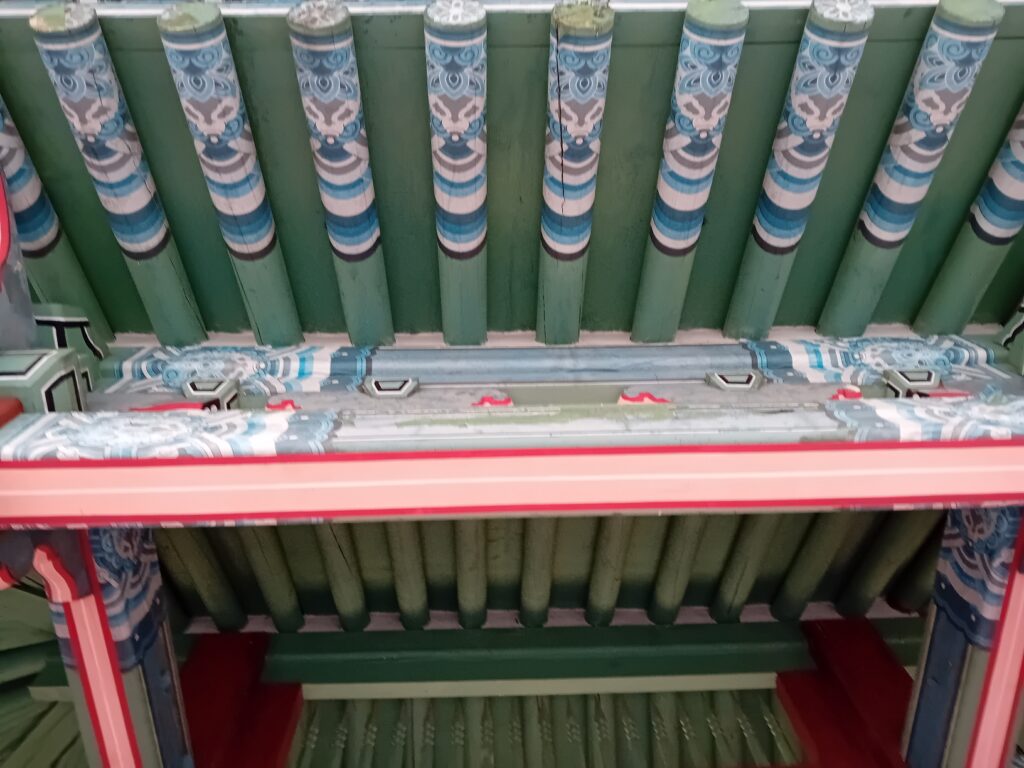
Dancheong colors have origins that date back to traditional practices and are obtained from natural pigments. This is how the main colors used in this art are born:
- Red (丹): The red color is often obtained from minerals such as cinnabar (mercury sulfide) or from organic pigments extracted from plants such as safflower.
- Green (靑): Green is traditionally derived from minerals such as malachite or plant pigments. It can also be obtained by mixing blue and yellow pigments.
- Blue (靑): Blue is often made from indigo, a plant that produces a deep blue pigment. Azurite, a copper mineral, is also used to produce the color blue.
- Yellow (黃): Yellow can be obtained from yellow earth (yellow ochre) or from plants such as turmeric. Arsenic sulfide has also been used historically.
- White (白): White is often made from chalk or lime. Shell powder has also been used traditionally.
In addition to the colors, the decorative patterns of the Dancheong are equally important. They include geometric, floral and animal designs, which not only beautify the building but also have symbolic meanings. For example, dragons represent power and protection, while lotuses symbolize purity and enlightenment.
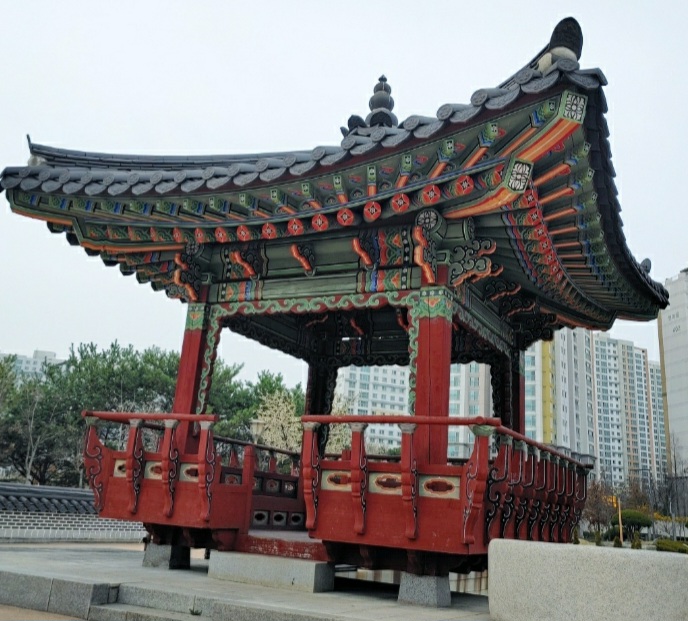
Dancheong is not only an aesthetic art, but also has a practical function. Natural pigments help protect the wood from moisture, insects and weather damage. Additionally, the vibrant colors and intricate patterns are meant to inspire reverence and wonder in visitors and worshipers.
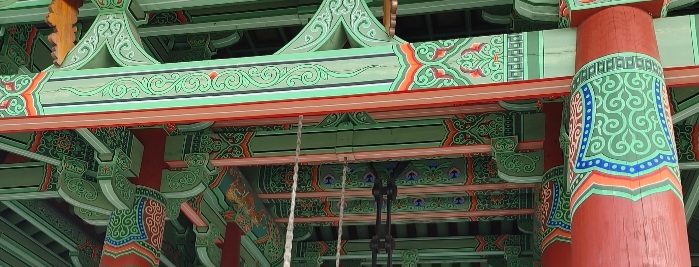
In summary, the colors of Dancheong arise from a combination of natural materials and traditional techniques, and this ancient art continues to be an important cultural heritage of Korea. Functionally, the paint layers protect the wood from weathering and moisture, contributing to the longevity of the structures.
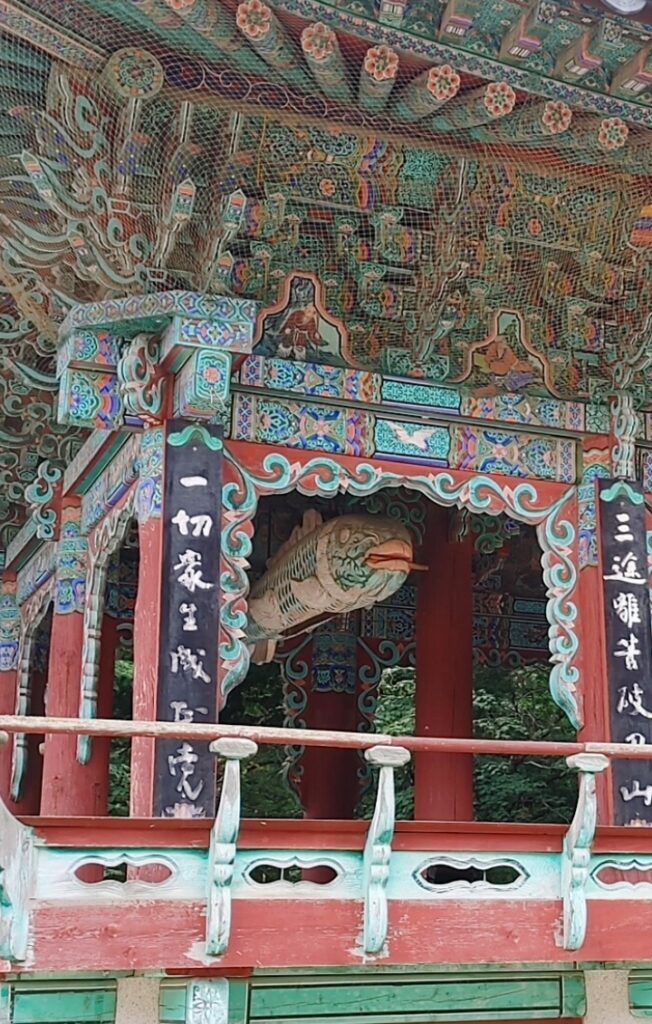
Statues and sculptures are another crucial component of temple decorations. These may include statues of Buddha, bodhisattvas, and other religious figures, as well as reliefs that tell Buddhist stories and parables. Statues are often made from materials such as wood, stone or bronze, and can be incredibly detailed, with facial expressions that convey serenity and compassion.
Korean temples also feature elaborate doors and windows, often hand-carved with geometric and floral patterns. These details not only add beauty to the architecture, but also allow natural light to filter inside, creating an atmosphere of peace and tranquility.
Finally, the gardens and outdoor spaces of the temples are designed to be in harmony with the surrounding nature. Stone paths, small bridges, and koi ponds are common and serve to create a contemplative environment that encourages meditation and reflection.
Drawings in Korean Temples
- Painted Walls (Dancheong): Korean temples often feature intricately painted walls and ceilings with colorful patterns called danchong. These designs include scenes from the life of the Buddha, bodhisattva figures, and auspicious symbols such as dragons, phoenixes, and lotuses. The bright colors and meticulous details symbolize the sacredness of the place and protect the temple from evil spirits.
- Mandala: Complex circular designs represent the universe and are used for meditation. Mandalas help practitioners concentrate and reach a state of spiritual enlightenment.
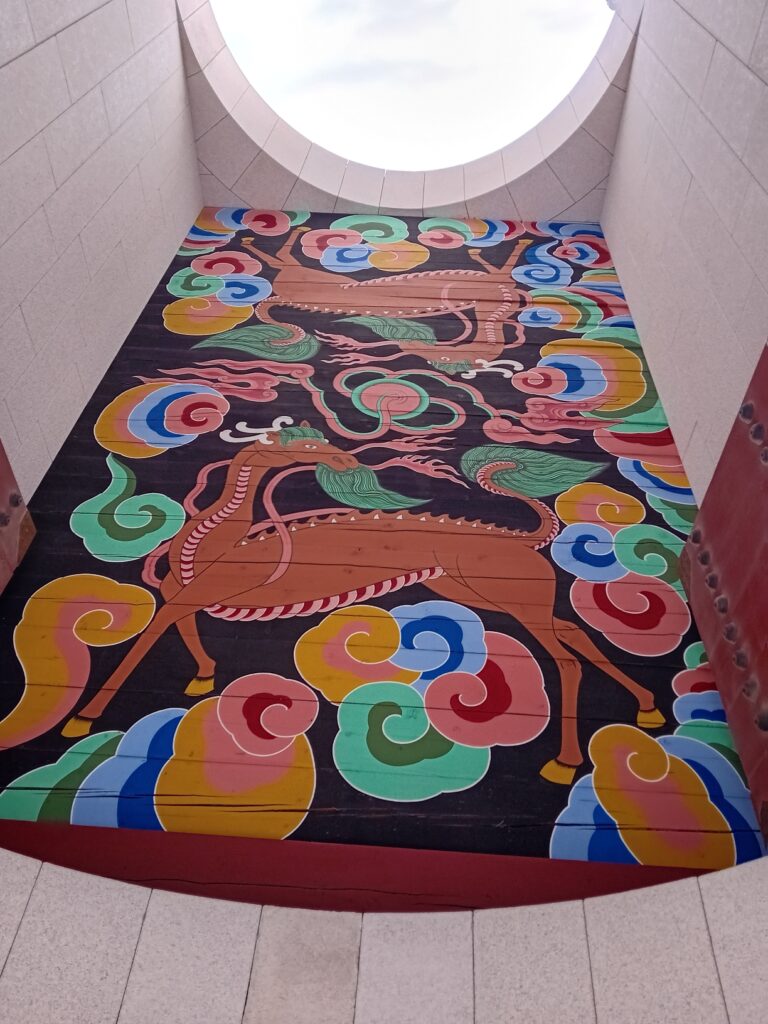
In summary, Korean temples are treasures of sacred art, with designs and statues that not only decorate the space but enrich the spiritual experience of devotees. Each element, with the vibrant colors of the danchong to the serene figures of the Buddha, helps to create an environment that inspires peace, reflection and devotion.
-Cover photo credit PaolaPelissa
Pelissa Paola