
During this period, from 1392 to 1910, Korea was under the Joseon dynasty, founded by General Yi Seong, who after overthrowing the kingdom of Goreyo, put an end to the Mongol domination that had governed the country since 1259, and having ascended the throne took the name of King Taejo.

The Joseon Dynasty was known for its orthodox Confucianism, which profoundly influenced the social, political and economic life of the country. Korean society was highly hierarchical, with a clear division between various social classes, such as nobles (yangban), peasants (sangmin) and servants (cheonmin).
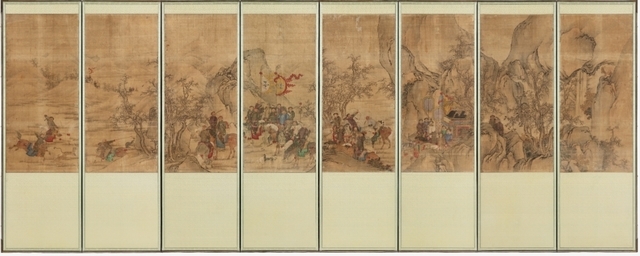
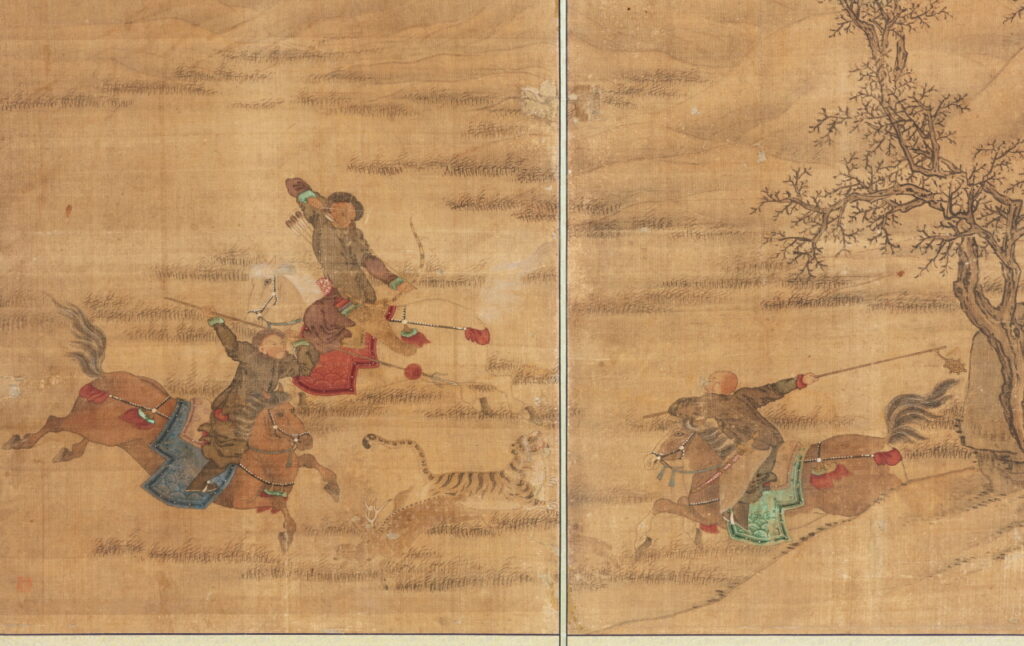
The Women of the Joseon period were relegated to a secondary role, they had to take care of the home and family, unlike the historical period of Silla in the History of Korea where in the past the first Queens had brilliantly governed, (see article on The Seondeok Queen ), power and study were reserved only for men.
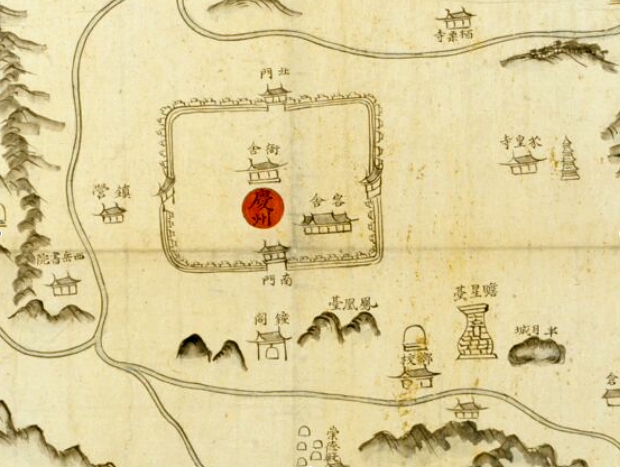
Throughout the 19th century, Korea remained relatively isolated from the rest of the world, maintaining a policy of closure to the outside world, known as "Sadae" or "servitude". This isolation was partly due to a desire to protect their culture and sovereignty from foreign influences. However, towards the end of the century, Korea began to come under pressure from foreign powers, such as China, Japan, and Western nations, who sought to open the country to trade and expand their influence in the region.
The Joseon period represents one of the most significant eras in Korean history, characterized by notable cultural, scientific and technological development. During this period, several inventions and innovations had a lasting impact on Korean society and beyond.
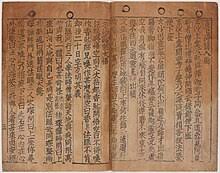
One of the most notable inventions of the Joseon period is the "Jikji", the oldest existing book printed with movable metal type, dating back to 1377. This is a remarkable achievement, predating the famous Gutenberg Bible, and testifies to the advanced state of printing technology in Korea. The Jikji allowed for a wider dissemination of knowledge and contributed to the literacy and education of the population.
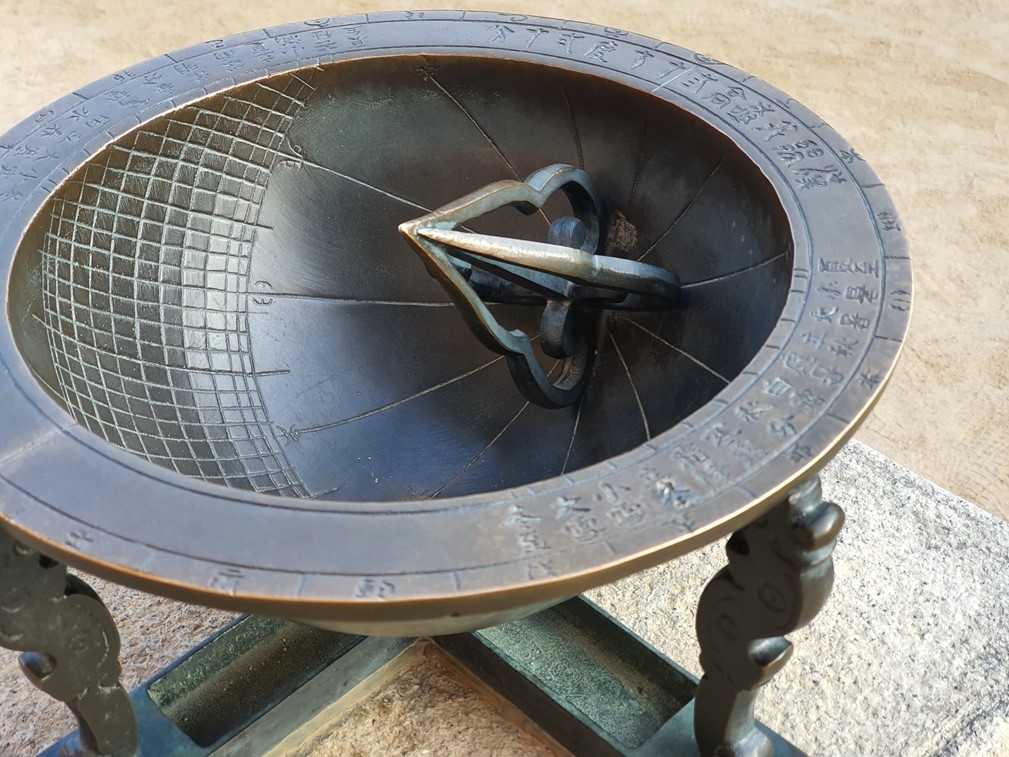
Another important invention is the "Sundial" or sundial of Cheugugi, developed during the reign of Sejong the Great. This advanced astronomical instrument was used to measure time and study celestial movements. Sejong the Great also promoted the invention of the Hangul alphabet, which dramatically simplified writing and reading compared to complex Chinese characters, making literacy more accessible to all social classes.
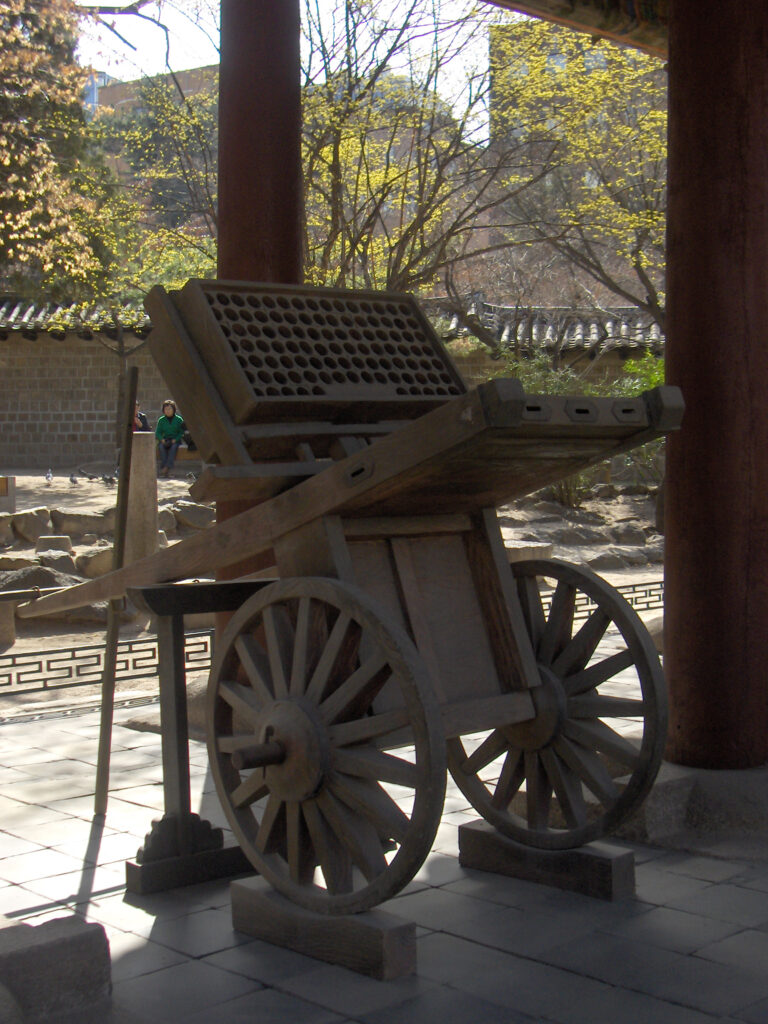
Finally, the Joseon period saw the creation of various scientific and military instruments, such as the "Hwacha", a multiple rocket launcher used to defend the country from invasions. This device could launch hundreds of rockets at once, demonstrating the ingenuity and technological prowess of the Koreans of the time. These inventions and innovations not only improved daily life during the Joseon period, but also left a lasting legacy in the history of Korea and the entire world.
Unfortunately, Japanese rule over Korea, which took place from 1910 to 1945, was a time of great change and suffering for the Korean people. Korea's annexation by Japan formally began on August 22, 1910, when the Annexation Treaty was signed, although many historians argue that the treaty was imposed by force and without the consent of the Korean people. During this period, which saw the decline and closure of the Joseon Period, Japan implemented a series of policies aimed at integrating Korea into the Japanese economic and cultural sphere, often using coercive and repressive methods.
Japan's cultural assimilation policy aimed to eradicate Korean identity. The use of the Korean language was strongly discouraged and schools were forced to teach in Japanese. Many Koreans were forced to change their names to Japanese names through "Sōshi-kaimei" (change of first name and last name).
The Koreans who refused to submit to these terrible impositions were punished and humiliated in many ways, one of these was to cut their hair, which for the Korean people was an outrageous gesture, for Korean culture and tradition the lineage with their ancestors also passed through their hair, a sign of belonging to their bloodline.
Furthermore, Japan heavily exploited Korea's natural resources and used Korean labor under often brutal conditions. Many Koreans were forcibly drafted into the Japanese army or forced to work in factories and mines.
The Korean resistance, fiercely and with few resources at its disposal, defended itself and fought strenuously against the Japanese occupation and was not long in coming. Movements such as the March 1, 1919 Movement, also known as Samil Undong, represented the Korean people's struggle for independence. This movement, which saw the participation of millions of Koreans, was brutally repressed by the Japanese authorities, but marked a crucial moment in the history of Korean nationalism. Japanese rule over Korea ended with Japan's surrender at the end of World War II in 1945, leading to the division of the Korean Peninsula into two separate states: the Republic of Korea (South Korea) and the Democratic People's Republic of Korea (North Korea).
PAOLA PELISSA
I