
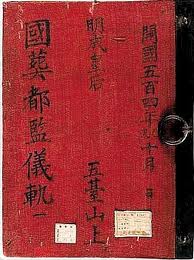
The Uigwe is a collection of historical documents from the Joseon Dynasty (1392-1910) in Korea approximately 3895 books that documents royal ceremonies and other important events in detail. These books are remarkable for their precision and the way they capture the essence of Korean court life, providing a unique window into a bygone era.
The collection became part of the UNESCO World Heritage Site in 2007, considered a very precious work of inestimable historical and cultural value, due to the magnificence of the details that are reported and which accurately describe and describe its colors and images.
They were born as manuals of state rites, to correctly report the documentation of births, marriages, funeral ceremonies, royal birthdays, creation of royal portraits and how tombs and the repair and construction of Royal Palaces were to be built and maintained in special registers to be consulted for similar events in every part of the Kingdom.
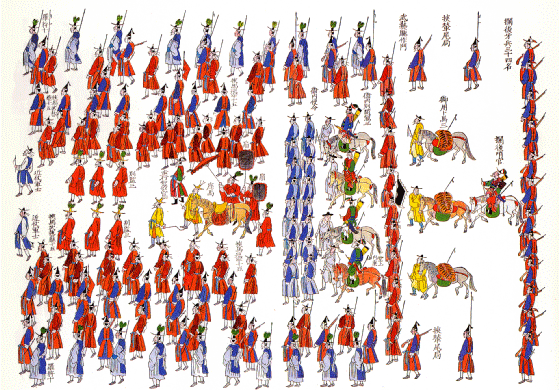
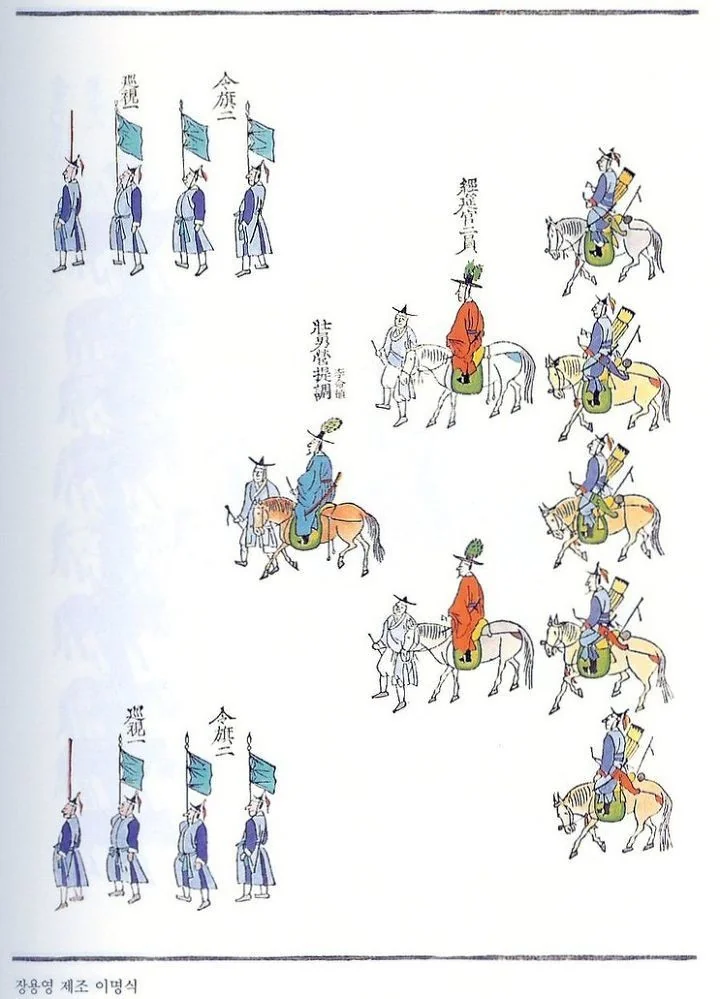
Uigwe are known to be meticulously illustrated and carefully written in Chinese characters and some were in Idu i.e. the official Korean letter in the writing system using Hanja, it was used by Buddhist monks and made it possible to record Korean words through their equivalent Chinese sound. Here are some of their main features:
- Detailed Documentation:
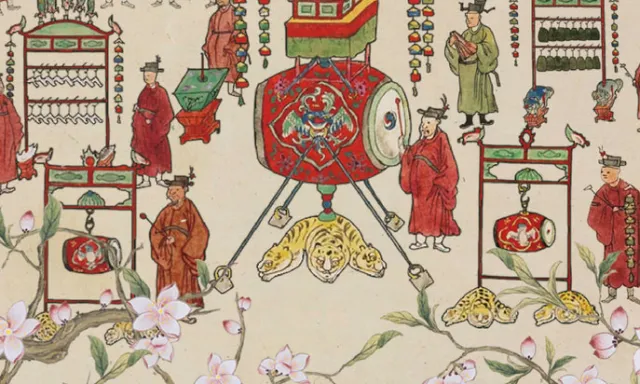
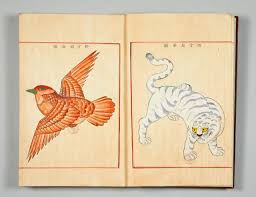
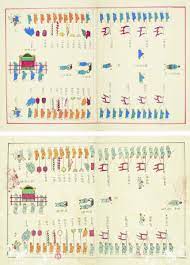
- Each volume contains detailed descriptions and painted images of the ceremonies, including the participants, the roles, and the decorations used, the musical instruments of the time, the utensils for work, cooking and every trade that concerned the Royal Court and the citizens and inhabitants of the Kingdom, but also of how the Screens that were used in the palace were varnished and painted.
- Illustrations:
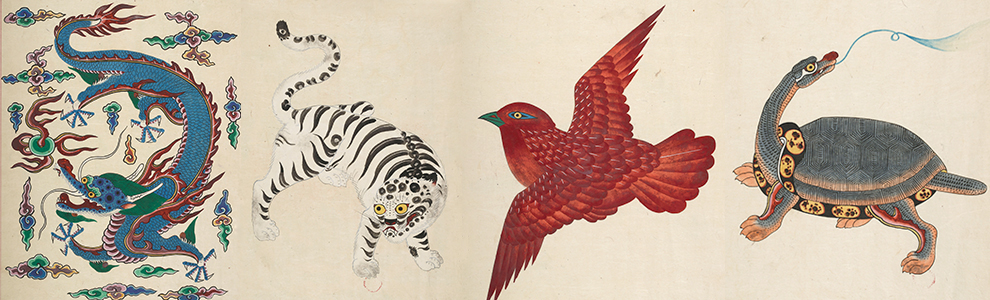
- The brightly colored illustrations, from red to yellow, blue and white, offer a visual representation of the ceremonies and clothes worn, allowing readers to immerse themselves in the atmosphere of the era.
These documents help preserve cultural traditions, allowing future generations to understand and appreciate Korea's rich history and historical memory but above all the development of Korean society.
Uigwe conservation
The preservation of the Uigwe is crucial to ensuring that these historical works remain accessible for future generations, many books were destroyed during the Japanese War of 1592 and the remaining 3000 volumes were stolen and held in countries such as France, London and Tokyo.
in 2011 Korea and France reached an agreement and 297 Uigwe books that had been stolen in 1866 during the Ganghwa invasion, were sent on a five-year loan to Korea, which will become permanent given that France promised not to request them back, Japan had also taken possession of 1,200 Uigwe volumes in 1922 during the colonial occupation; and in October 2011 returned five of 167 registers stolen during the colonial period. Another 150 Uigwe they returned to Korea from Japan the following December 6.
THE' Uigwe for a Royal Feast it is the oldest copy that was looted by the French. He recorded the royal feast held by King Injo of Joseon in March 1630, wishing longevity and good health to the dowager queen Inmok.
i
Experts work to restore and maintain the Uigwe in optimal condition, using advanced conservation techniques. Many Uigwe have been digitized to facilitate access and protection against physical deterioration.
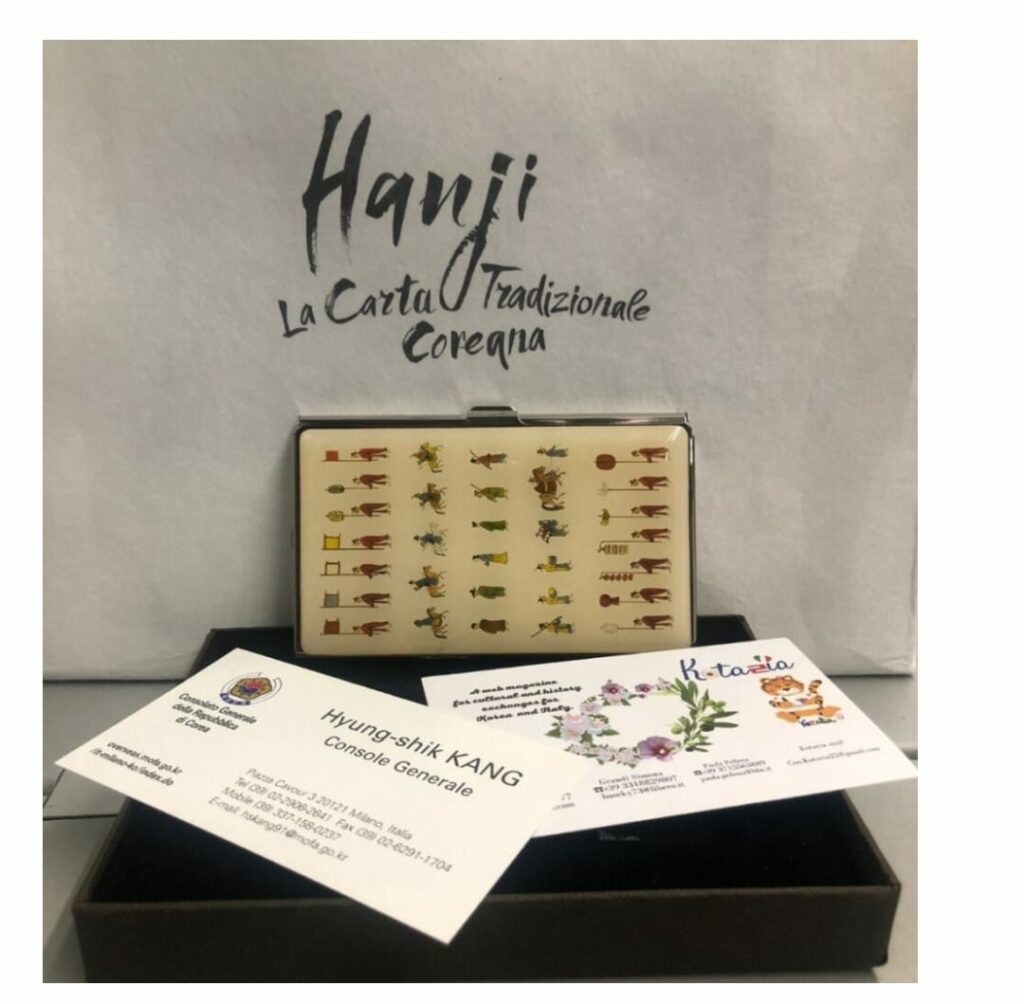
Uigwe are also an essential source for creating and duplicating every detail down to the smallest detail for historical reconstructions of Korean films and Kdramas.
Paola Pelissa