
Young-i and Cheol-su: they are two icons of Korean school books, but we have seen and known them only as the two animatronic dolls of Squid Game, while in Korean culture they had enormous importance for the growth of Korean children.
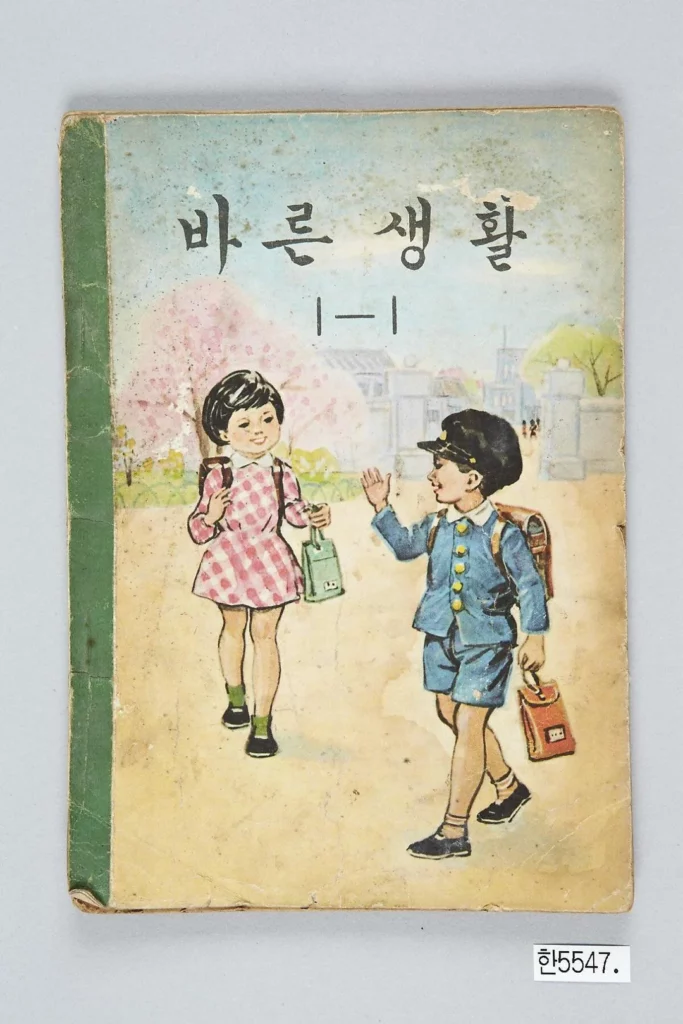
Young-i and Cheol-su are two famous characters in Korean school textbooks, found in almost every home and school in South Korea. These characters were created to help Korean children learn to read and write, and over time they have become iconic figures of the country's educational culture.
Kim Young-ho, our collaborator at Kotalia, sends us one of his articles:
철수와 영이는 대한민국의 초등학교(과거 국민학교) 교과서에서 등장하던 대표적인 캐릭터로, 해방(1945년)이후 1948년에 대한민국의 첫 국정교과서가 제작됐다. 초등학교 1학년 국어교과서는 철수, 영이, 바둑이를 주인공으로 하는데 이후 1980년대까지 초등학교 국어 교과서에 등장하며 오랜 시간 동안 사랑받았습니다. 이들은 당시 초등교육 방향과 문화적 배경을 잘 보여주는 상징적인 인물들입니다.
- 초기(1945~1960년대):
- 광복 이후 대한민국이 국가의 정체성을 새롭게 세워가던 시기에, 도덕성과 공동체 의식을 함양하기 위해 철수와 영이 캐릭터가 만들어졌습니다.
- 당시 교과서에서 철수와 영이는 학생들이 따라야 할 모범적인 아이로 등장했습니다.
- 교과서 개정(1970~1980년대):
- 대한민국 국민학교(현 초등학교) 교과서에서 철수와 영이는 일상생활의 이야기를 바탕으로 아이들에게 도덕적 가치를 교육하는 데 활용되었습니다.
- 이 시기에 철수와 영이는 대한민국 초등학생의 표상으로 자리 잡았습니다.
- 사회 변화와 함께 90년대 이후 다양한 캐릭터가 등장하면서 철수와 영이는 교과서에서 점차 사라졌습니다. 이후 교과서는 현실적인 이야기와 현대적 캐릭터로 대체되었습니다.
주변 인물
- 철수:
- 성격: 모범적이고 책임감 있는 소년으로, 친구들과의 관계에서 리더 역할을 맡는 경우가 많았습니다.
- 역할: 가족을 돕고, 친구들과 사이좋게 지내며 공동체 생활의 중요성을 보여줍니다.
- 영이:
- 성격: 친절하고 따뜻한 마음씨를 가진 소녀로, 배려와 협동심을 강조하는 역할을 했습니다.
- 역할: 철수와 함께 가족과 친구들을 돕는 모습을 통해 도덕적 가치를 교육했습니다.
- 동생:
- 철수와 영이의 동생들은 어린아이의 호기심과 순수함을 나타내며, 주인공들이 돌봐야 할 대상으로 등장했습니다.
- 친구들:
- “민수”, "수진", "동민" 등 다양한 이름의 친구들이 철수와 영이의 주변에서 함께 이야기를 만들어갔습니다.
- 가족:
- 철수와 영이의 부모님은 근면하고 성실한 전형적인 한국 가정의 모습을 보여주었습니다.
주요 내용 및 주제
- 가족과 이웃 사랑
- 철수와 영이가 부모님의 일을 돕거나 동생을 돌보는 장면을 통해 가족의 중요성과 효심을 강조했습니다.
- 협동과 우정
- 친구들과 함께 놀이나 학교 활동을 하며 협동심과 우정을 배우는 이야기가 많이 나왔습니다.
- 공동체생활
- 마을 축제, 청소 활동 등 공동체의 가치를 배우는 장면이 자주 등장했습니다.
- 자연과 환경 사랑
- 나무 심기, 꽃 가꾸기, 산과 들을 탐방하는 내용을 통해 자연 보호의 중요성을 알려주었습니다.
- 근면성과 성실함
- 철수와 영이는 매일 아침 일찍 일어나고, 부모님을 돕거나 공부에 열중하며 근면한 생활의 모범을 보여줬습니다.
문화적 의의
- 당대 한국 사회의 반영:
- 철수와 영이는 전통적 가치관과 농촌 중심의 생활을 바탕으로 한 대한민국의 1950~1980년대 사회를 반영합니다.
- 그들의 이야기는 당시 아이들에게 이상적인 어린이상을 심어주기 위해 만들어졌습니다.
- 교육적 가치:
- 철수와 영이는 교과서를 통해 아이들에게 도덕성, 책임감, 효심, 공동체 의식을 교육하는 데 큰 역할을 했습니다.
- 상징적 캐릭터:
- 철수와 영이는 당시 모든 국민학교 학생들에게 익숙한 이름으로, 한국 교육의 상징으로 자리 잡았습니다.
현대적 재해석
오늘날 철수와 영이는 단순한 교과서 속 캐릭터를 넘어, 당시 한국 사회의 정체성과 교육 방식을 상징하는 캐릭터로 재조명되고 있습니다. 디지털 콘텐츠, 복고 열풍, 현대적 교훈의 재해석 등 다양한 방식으로 철수와 영이가 다시 회자되기도 합니다.
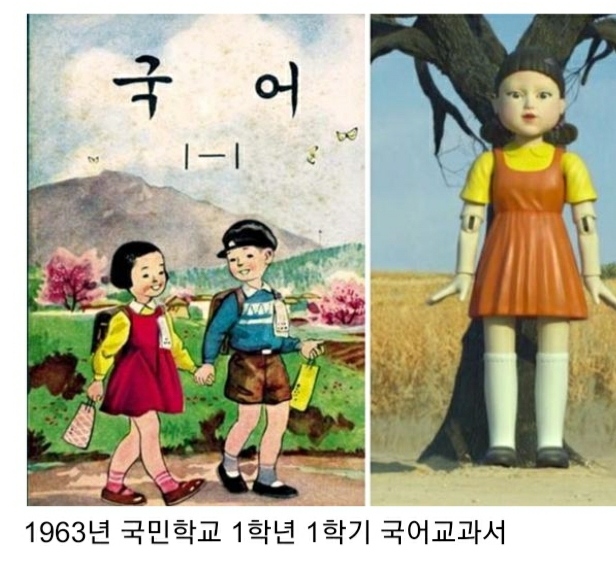
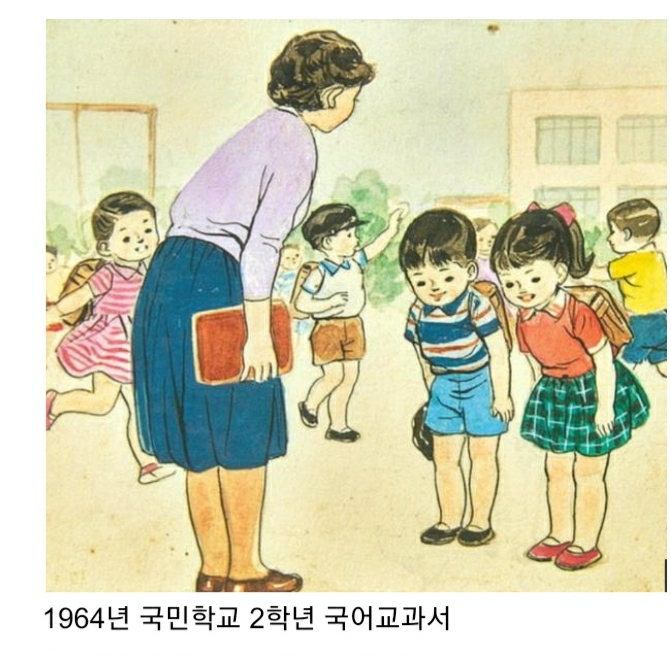
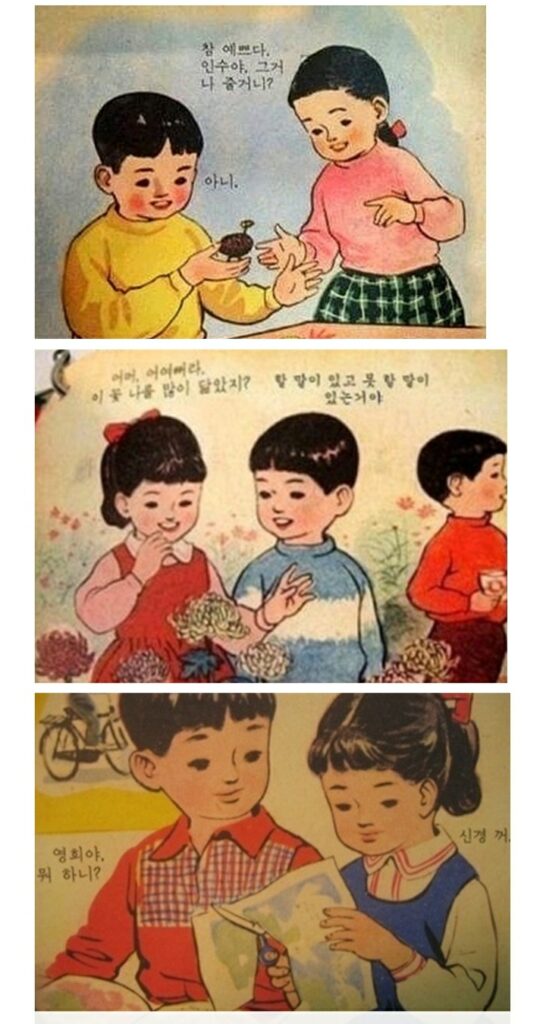
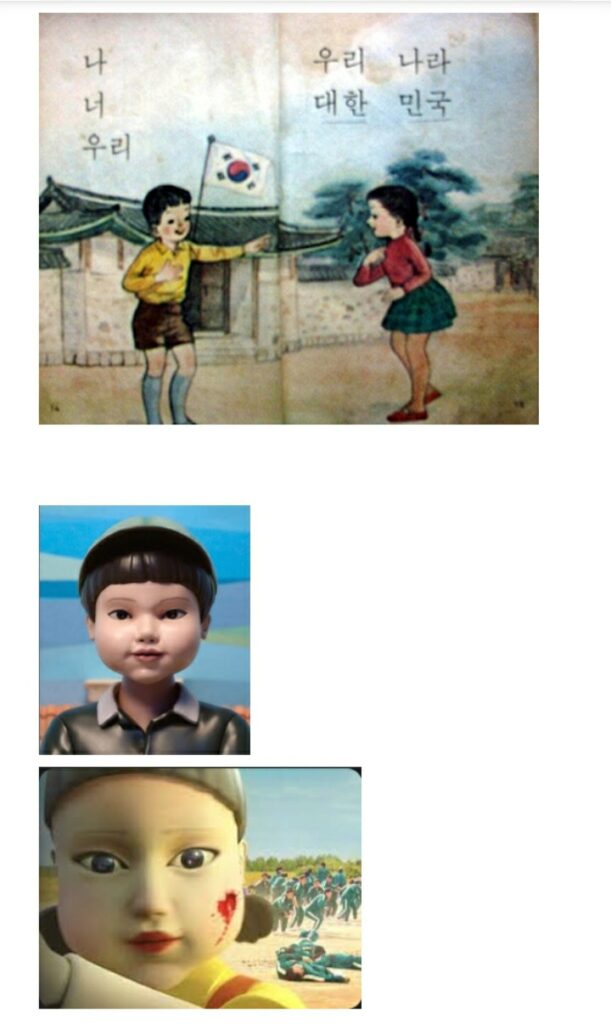
철수 (Cheol-su) and 영이(Young-i) are representative characters that appeared in elementary school textbooks in Korea. After liberation (1945), the first national textbook of South Korea was produced in 1948. The first grade elementary school Korean language textbook features 'Cheol-su', 'Young-I', and 'Ba-du-ki' as the main characters, and they were loved for a long time as they appeared in elementary school Korean language textbooks until the 1980s. They are symbolic figures that well show the direction of elementary education and cultural background at the time.
1. Early period (1948-1960s):
o During the period when South Korea was establishing a new national identity after liberation, the characters Cheolsu and Yeongi were created to foster morality and community awareness.
o In the textbooks at the time, Cheol-su and Young-i appeared as exemplary children that students should follow.
2. Textbook revision (1970s-1980s):
o In South Korea's elementary school (now elementary school) textbooks, Cheol-su and Young-i were used to teach children moral values based on stories from everyday life. o During this period, Cheol-su and Young-i became symbols of elementary school students in Korea.
o With the social changes and the emergence of various characters since the 90s, Cheol-su and Young-i gradually disappeared from textbooks. After that, textbooks were replaced with realistic stories and modern characters.
________________________________________
Surrounding Characters
1. Cheol-su:
o Personality: An exemplary and responsible boy, he often took on the role of a leader in his relationships with his friends.
o Role: Helps his family, gets along well with his friends, and shows the importance of community life.
2. Young-i:
o Personality: A kind and warm-hearted girl, who emphasized consideration and cooperation.
o Role: Through helping his family and friends with Cheol-su, he taught moral values.
3. Younger Siblings:
o Cheol-su and Young-i's younger siblings represented the curiosity and innocence of children, and appeared as objects that the main characters had to take care of.
4. Friends:
or Friends with various names such as "Min-su", "Su-jin", and "Dong-min" created stories around Cheol-su and Young-i. 5.Family:
o Cheol-su and Young-i's parents showed the typical Korean family, hardworking and honest.
________________________________________
Main contents and themes
1. Love for family and neighbors
o The importance of family and filial piety was emphasized through scenes where Cheol-su and Young-i helped their parents with work or took care of their younger siblings.
2. Cooperation and friendship
o There were many stories about learning cooperation and friendship through playing or doing school activities with friends.
3. Community life
o There were many scenes where they learned the value of community, such as village festivals and cleaning activities.
4. Love for nature and the environment
o The importance of nature conservation was taught through scenes of planting trees, growing flowers, and exploring mountains and fields.
5. Diligence and honesty
o Cheol-su and Young-i woke up early every morning, helped their parents, and studied hard, showing an example of a hard-working life.
________________________________________
Cultural Significance
1. Reflection of Contemporary Korean Society:
o Cheolsu and Yeongi reflect the society of South Korea from the 1950s to the 1980s, which was based on traditional values and a rural lifestyle.
o Their story was created to instill in children the ideal image of children at the time.
2. Educational Value:
o Cheolsu and Yeongi played a major role in teaching children morality, responsibility, filial piety, and community awareness through textbooks.
3. Symbolic Characters:
o Cheolsu and Yeongi were familiar names to all elementary school students at the time, and became established as symbols of Korean education.
________________________________________
Modern Reinterpretation
Today, Cheolsu and Yeongi are being reexamined as characters that symbolize the identity and educational methods of Korean society at the time, rather than simply characters in textbooks. Cheolsu and Yeongi are being recalled in various ways, such as through digital content, retro crazes, and reinterpretations of modern lessons.
Kim Young-ho
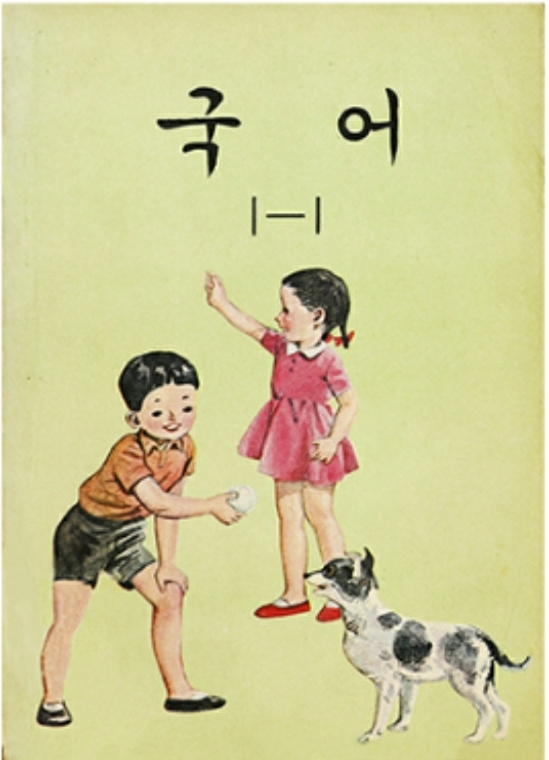
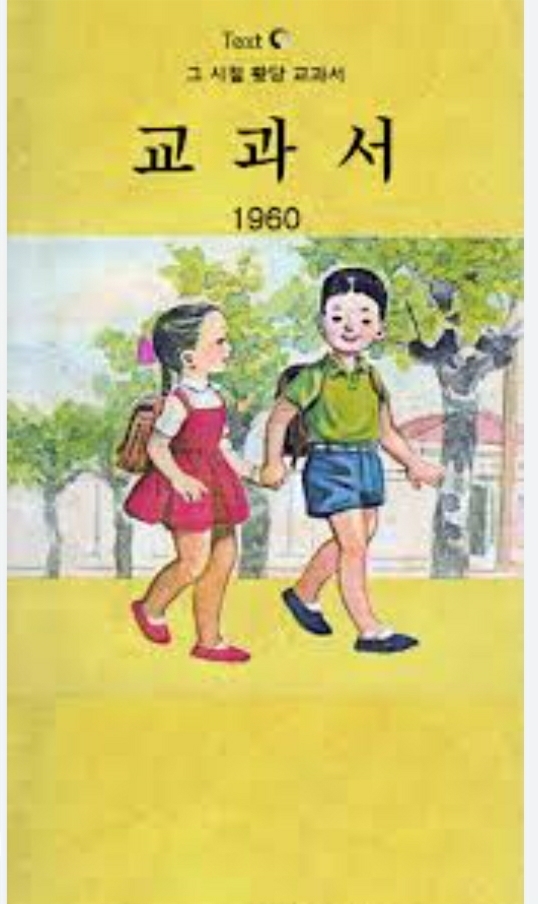
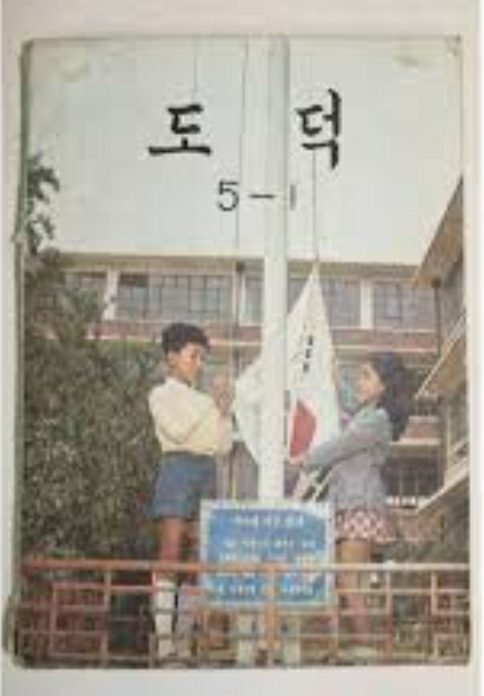
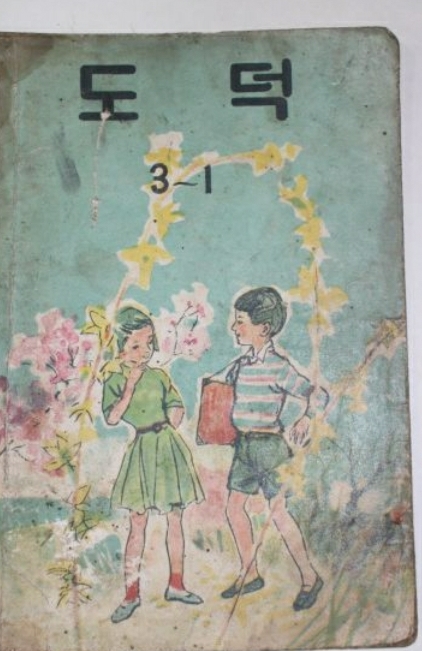
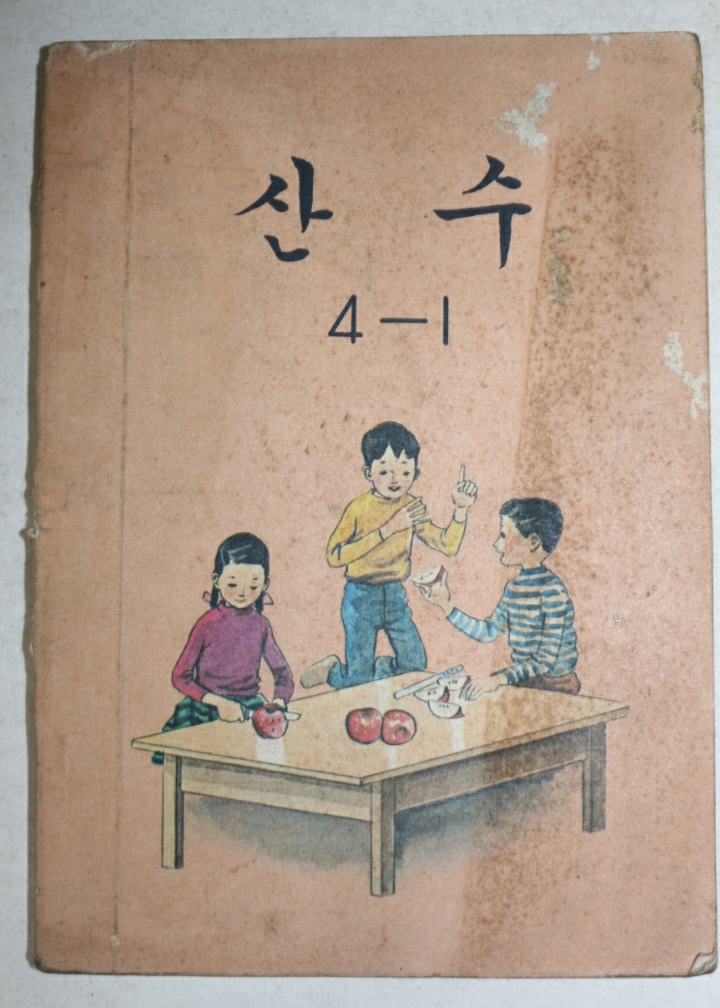
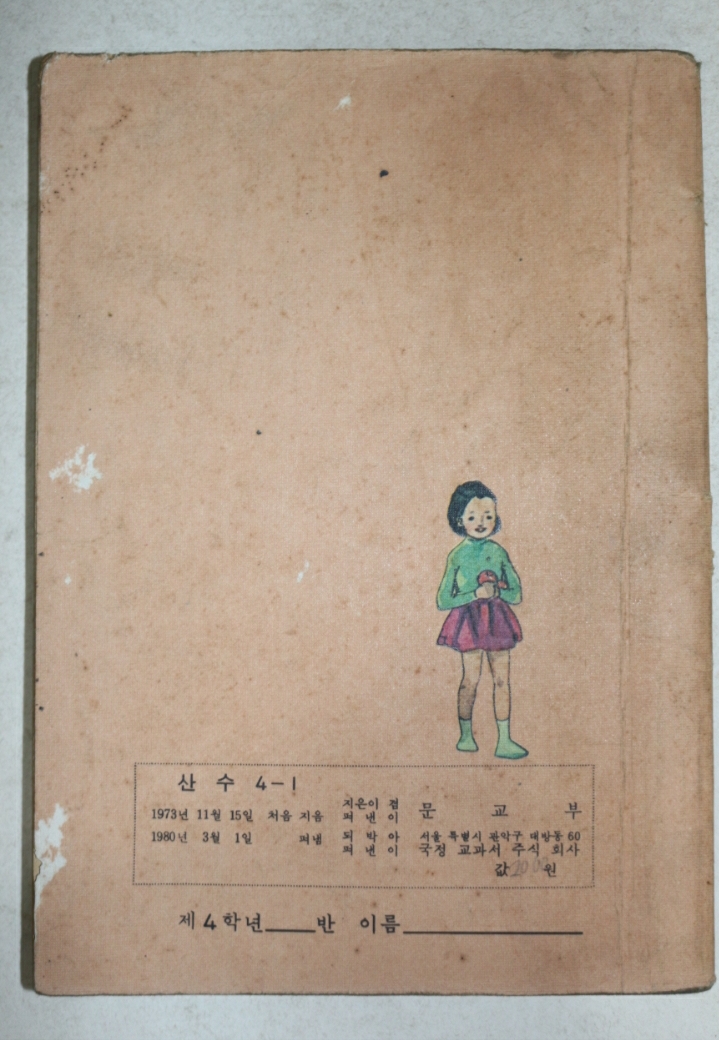
Cheol-su and Young-i are representative characters that appeared in Korean elementary school textbooks in the 1960s. After the liberation of 1945, South Korea's first national textbook was produced in 1948. The elementary school Korean language textbook features "Cheol-su" "Young-i" and "Ba_Du-kI" as the main characters, and they were loved for a long time, as they appeared in elementary school Korean language textbooks until the 1980s, they are symbolic figures that well show the direction of elementary education and the cultural context of the time.
° During the period when South Korea was establishing a new national identity after liberation, the characters Cheol-su and Young-i were created to promote community morality and awareness
°In the textbooks of the time, Cheol-su and Young-i appeared as exemplary children that students should follow-
2 Revision of textbooks from the 70s/80s:
° In South Korean elementary school textbooks, now elementary school, Cheol-su and Young-i were used to teach children moral values based on true stories from everyday life.
°During this period, Cheol-su and Young-i became symbols of elementary school students in Korea.
°With social changes and the emergence of various characters since the 1990s, Cheol-su and Young-i gradually disappeared from textbooks. Later, textbooks were replaced with realistic stories and modern characters.
Surrounding characters
1 Cheol-su: ° Personality: An exemplary and responsible boy, he often took on the role of leader in relationships with friends. ° Role: Helps his family, gets along with his friends and shows the importance of community life.
2 Young-i: °Personality: A kind, kind-hearted girl who emphasizes consideration and cooperation. °Role: Helping his family and friends with Cheol-su, taught moral values.
3 Younger Brothers: ° Cheol-su and Young-i's younger brothers represented the curiosity and innocence of children and appeared as objects that the characters had to take care of.
4 Friends with various names such as "Min-su"; "Su-jin" and "Dong-min" created stories about Cheol-su and Young-i: ° Cheol-su and Young-i's parents showed the typical Korean family, hard-working and honest.
Contents and main themes
1 Love for family and neighbor: ° The importance of family and filial piety was emphasized through scenes in which Cheol-su and Young-i helped their parents with work or took care of younger siblings.
2 Cooperation and friendship: ° There were many stories about learning cooperation and friendship through playing games or doing school activities with friends.
3 Community life:° There were many scenes where they learned the value of community, such as village festivals and cleaning activities.
4 Love for nature and the environment: °The importance of nature conservation was taught through scenes of planting trees, exploring mountains and fields.
5 Diligence and honesty: ° Cheol-su and Young-i woke up early every morning, helped their parents and studied hard, showing an example of hard-working life.
Cultural significance
1 Reflection of contemporary Korean society: ° Cheol-su and Young-i reflect South Korean society from the 1950s to the 1980s based on traditional values and a rural lifestyle: ° Their story was created to instill in children the ideal image of children at that time.
2 Educational Value : °Cheol-su and Young-i played an important role in teaching children morality, responsibility, filial piety and community awareness through textbooks.
3 Symbolic Characters: ° Cheol-su and Young-i were names familiar to all elementary school students of the time and became symbols of Korean education.
Modern reinterpretation
Today, Cheol-su and Young-i are re-examined as characters symbolizing the identity and ways of Korean society at the time, rather than simply as textbook characters.
Cheol-su and Young-i are remembered in various ways, such as through digital content, retro crazes and reinterpretations of modern lessons.
Kim Young-ho and Paola Pelissa
– All credits at Photos are from web sites