
THE'Today (Korean 옹기) is an earthenware container in the shape of a jar and has been used since ancient times in Korea for food storage.
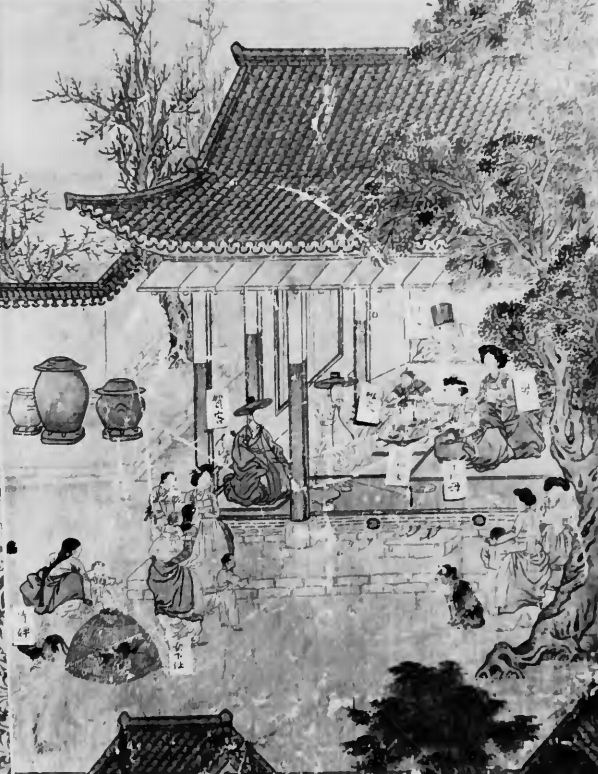
Onggi in Korean History:
Ancient evidence attests to its use on the Korean peninsula already during the reign of Goreyo (37 BC-668): in fact, similar artefacts were found in the royal tombs of the time. Furthermore, given the similarities with the terracotta vases of the Silla dynasty (668-918), scholars believe that they have a very ancient origin,
According to historical evidence, the people of Baekje and Silla stored rice, soy sauce, alcohol and salted fish in jars, while the ancient book Goryeo gogyeong, which reports on the social and communal life of people living in the Goreyo era in 1123, says that Koreans stored rice there, doenjang, fruits, vinegar and sometimes they also stored drinking water in it.
At the beginning of the 1970s, these jars were gradually replaced by steel, plastic and glass containers; but you can see them and they continue to be used in traditional restaurants and by condiment manufacturers.
Characteristics
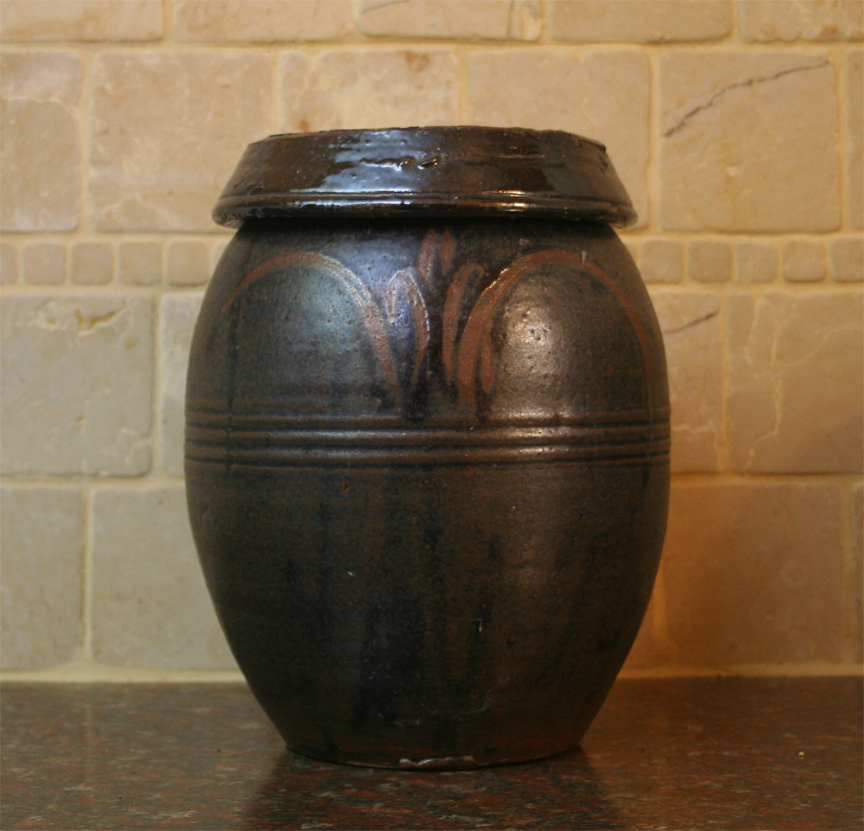
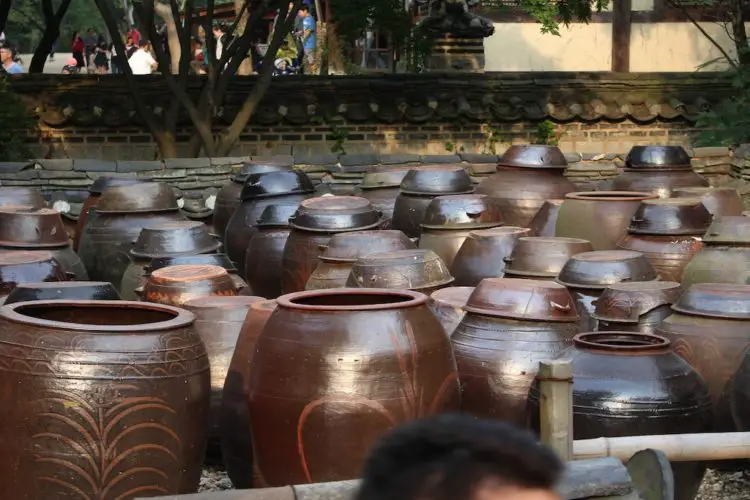
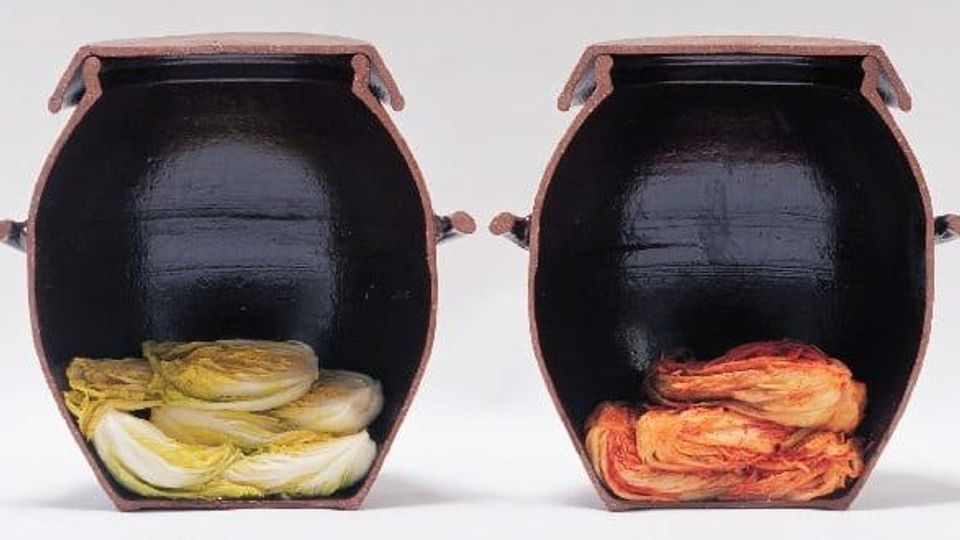
the Today they are made with dark and coarse alluvial clay which turns red when it reaches 1200°, for perfect use the grain must be fine and coarse to allow air circulation which favors fermentation without however allowing the liquids to escape. In his encyclopedia Imwon gyeongje sibyuk ji translated "Sixteen speeches on the rural economy", written in 1834 by the historian Seo Yu Gu defines it as "the largest of the earthenware vessels, the most necessary for daily use", underlining how it was used in every family and to contain any food and liquid. Based on their use, there are two types of today: ojigeureut which are the enamelled jars and jilgeureut the unglazed ones. The enamelled jars are cooked in the oven until they oxidize and are used both for the preparation and for the outdoor storage of fermented foods such as soy sauce, soy bean paste called doenjang, gochujang which is the famous spicy red sauce that colors all Korean dishes, seafood, pickled vegetables and, above all, Kimchi. The today unglazed, however, they are not completely oxidized because during cooking the ceramist adds pine wood and prevents oxygen from entering the oven by closing the chimneys: the result is an extremely breathable soot-covered jar, used inside homes to steam tteok rice dumplings or rice.
The today they have an ovoid shape that varies little from region to region, but the jars intended for city use tend to be taller and smaller to adapt to limited urban spaces. The largest are called dok e hangars, while the small ones danji. The largest jar is the one for kimchi, as it must accommodate enough to last throughout the winter.
As well as in the kitchen, the today they also found space in the rituals of Korean Shamanism.
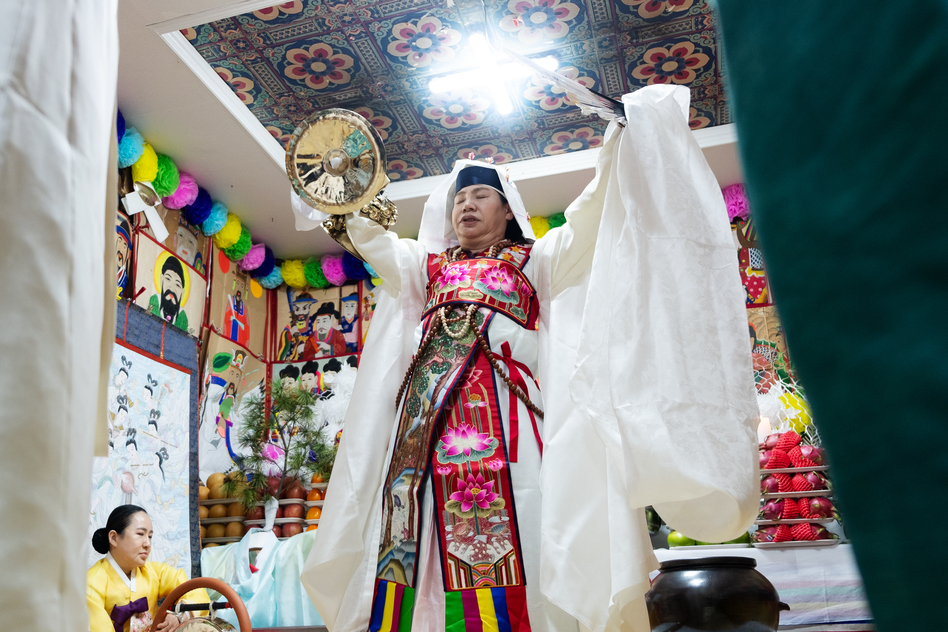
The missionary Claude Charles Dallet described the life of Koreans linked to spiritualism and mystical beliefs still felt in Korea today. He says that, «Koreans see the devil everywhere, they believe in auspicious and inauspicious days, in favorable and unfavorable places, and for them everything becomes a sign of good or bad luck. They incessantly cast lots and consult diviners, and multiply spells, sacrifices and all kinds of sorcery before, during and after all important actions or undertakings. In every house there are one or two earthenware jugs to contain the gods of the house who are: Seng-tsou "Seongju" protector of birth and life; Tse-tsou "Teoju", protector of the mansion; etc., and from time to time the great prostration takes place before these jugs."
Onggi are made of ceramic and are known for their unique characteristics:
- Porosity: The porous ceramic allows air to circulate inside the container, facilitating the fermentation process.
- Resistence: They are very durable and can withstand variable weather conditions, making them ideal for outdoor use.
- Design: They usually feature a simple, functional design, with a lid that fits snugly to keep the contents fresh.
- To ensure long shelf life and effective fermentation, it is important to take care of the Onggi:
- Cleaning: After each use, it is advisable to wash the Onggi with warm water and let it dry completely in the sun.
- Conservation: When not in use, store them in a dry place to prevent damage.
In summary, the Onggi is much more than a simple container; it is an integral part of Korean culture and cuisine, but it is absolutely indispensable and essential for the preparation of one of the country's most iconic dishes, kimchi.
_ cover photo credit Paola Pelissa
Paola Pelissa