
The characteristic that immediately catches the eye of the metropolis of Seoul is the perfect coexistence between modern skyscrapers, transport and cutting-edge technological services, which project it into the future, and magnificent Buddhist temples and street markets, which catapult visitors into the past, all within the space of a few metres!
Seoul is made up of 25 gu, that is, districts, which vary in size, composed of a series of dong, neighborhoods. It develops on the banks of the Han River and is surrounded by a natural setting of mountains.
Jongno represents the historical core of the city and includes very different areas, but of great interest for tourists, in fact you can find three of the five historical palaces, temples, parks, gardens, markets, sanctuaries, museums and the presidential residence, the Blue House.
Being very central, this neighborhood allows us to choose between numerous hotels which, booked well in advance, can save us money even if, we must say, there are not many hostels. Another plus point is that, also from a transport point of view, Jongno is an excellent neighbourhood, numerous metro lines pass through it and it is an excellent base for visiting the city.
But what to visit once you arrive? We can start from Gyeongbokgung Palace, which was the main residence of the dynasty for two hundred years Joseon.
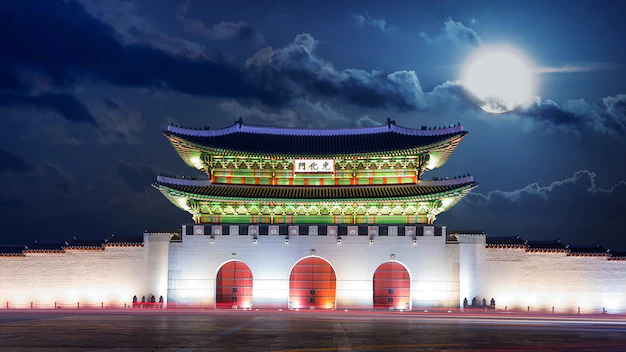
At the time of its maximum splendor this complex could count around five hundred buildings, most of which have been destroyed over the centuries. Inside the building we find the Folklore Museum and the National Palace Museum, where we can admire the danchong, the art of painting walls, columns and gutters with geometric designs, using the five colors that represent the fundamental elements: wood, fire, earth, metals and water.
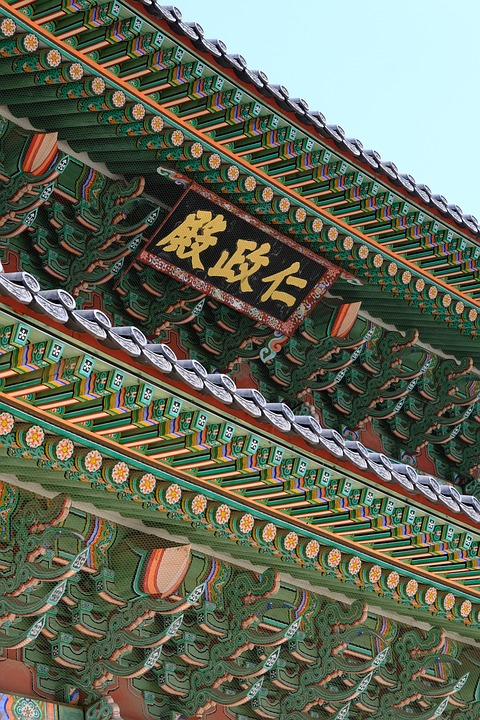
Walking through the large rooms and marvelous gardens, as well as along the banks of the artificial lake in the back, you will be captivated and transported to that past so full of splendor that all Koreans are proud of.
In addition to wandering around independently, you can take advantage of free guided tours. Every day you can witness the changing of the guard, which repeats exactly what was done centuries ago during the Joseon Dynasty.
Then exiting the Geonchunmun door of the palace, you can head towards the village of Bukchon Hanok, a real neighborhood within the neighborhood, where you can admire over nine hundred beautiful traditional hanok houses and buildings, which will make you experience first-hand the Seoul of many years ago. Bukchon literally means "northern village", in ancient times the noble families of the Joseon dynasty and government officials stayed there. This place is a UNESCO World Heritage Site. Although most of the houses are private, you will find some that can be visited, upon payment of a ticket, while others have been transformed into shops, galleries and restaurants. It must be kept in mind that this is a residential area surrounded by nature; therefore, you must absolutely not disturb and you must not in any way violate the privacy of the residents. One of the most important features of hanok houses are the sloping tiled roofs, which serve to provide shelter from the scorching summer sun, but at the same time allow light to pass through in winter. They are built of wood, stone and paper to blend in best with the surrounding nature. Their flooring includes the heating system ondol, still widely used today in Korea, obtained by placing a stone slab under the floor which was once heated by heat from an external furnace.

The charm of this neighborhood will not disappoint even those who love shopping, as they will be able to indulge themselves in the shops where they can rent thehanbok, traditional Korean costume, and others where you can purchase traditional hand-crafted ceramic items, such as teapots and small teacups.
But Seoul, as we have already said, is not only history and modernity but also nature and in this neighborhood we can find the channel Cheonggyecheon which runs through the northern part of the city and flows into the Han River.
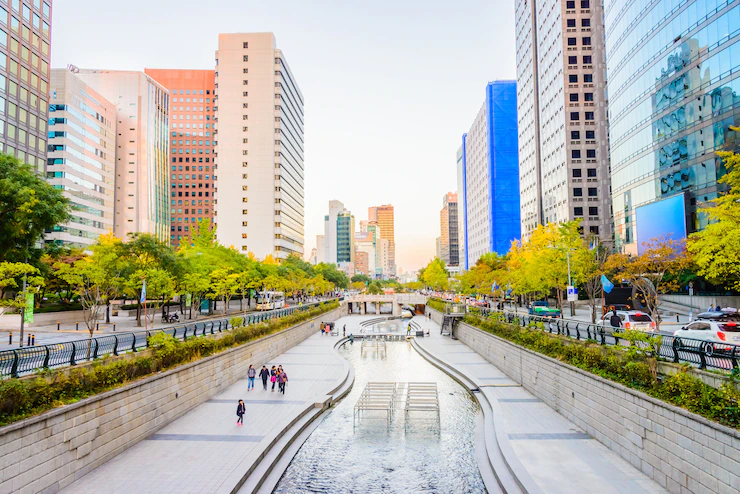
After being covered by a road in the 1950s, it was completely redeveloped in the new millennium. We can walk along the six kilometers of walkable canals on both banks and cross the twenty-two bridges. It is a place much loved by residents and tourists and the scene of numerous events such as the Lantern Festival.
Monia Bernardini
Cover photo credit: Tawatchai07, Cskkkk, Lifeforstock